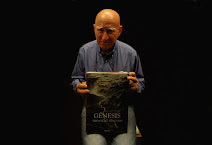
Texto : José Manuel Serrano Esparza
Hoy se cumple el 40º Aniversario de la muerte en Shaktoolik (Alaska) de Félix Rodríguez de la Fuente, un ser humano y naturalista excepcional, así como gran visionario cinematográfico y audiovisual, que con míticas series como El Hombre y La Tierra significó un antes y un después a nivel mundial en el ámbito de los documentales sobre fauna y naturaleza, filmados con unos parámetros cualitativos de imagen y sonido superiores a las mejores producciones cinematográficas de Hollywood durante los años setenta e incluso a películas de referencia en esta faceta como Ben-Hur y Lawrence de Arabia, utilizando cámaras profesionales Arriflex y Mitchell BNC de 35 mm en simbiosis con grabadores de sonido profesionales analógicos Hi-Fi monofónicos a carrete abierto Nagra III NP y Nagra 4.2 con ADN Stefan Kudelski.
Un hombre con descomunal conocimiento, experiencia y capacidad de trabajo, que amó como nadie a los animales, por los que sintió una desaforada pasión, y a varias de cuyas especies como el lobo ibérico, el lince ibérico, el águila real, el águila imperial y otras, salvó de una extinción segura gracias a su gran labor ecológica y de divulgación.
Félix Rodríguez de la Fuente, con su increíble facilidad de palabra, dominio extraordinario del idioma castellano, inaudita capacidad para hacer que millones y millones de españoles se pegaran literalmente a sus televisores durante quince años (entre aproximadamente 1965 y 1980) fue uno de los pioneros del ecologismo a nivel internacional y junto con Richard Attenborough y Jacques Cousteau, está considerado el número 1 del mundo hasta la fecha en la realización de documentales sobre fauna y naturaleza en los más diversos biotopos.
Félix Rodríguez de la Fuente, fue, es y seguirá siendo con diferencia el mayor influencer de España, a pesar de que desarrolló su labor en una época en la que no existía tal concepto, ni internet, ni el AV digital ni las redes sociales, porque consiguió cosas que hoy serían totalmente imposibles e impensables.
El Puto Amo que congregó durante muchos años a millones y millones de españoles, cuyo corazón y admiración supo ganarse a pulso, y que contemplaban atónitos en sus televisores todos y cada uno de los maravillosos programas sobre animales creados por Félix Rodríguez de la Fuente y su gran equipo de profesionales de primerísimo nivel como Teodoro Roa García (operador de cámara y director de fotografía, que realizaba además la elección de emulsiones químicas de 35 mm, objetivos, enfoque de los mismos, filmación, etc), Alberto Mariano Huéscar (ayudante de cámara de Teodoro Roa, de quien aprendió el oficio), Manuel Peña (técnico de sonido), Antonio Torreblanca (técnico de sonido), Manuel Barroso (técnico de sonido), Ángela Minaya, Carlos de las Heras, Antonio Soubrier, Faustino Ocaña, Carlos Barrutia, Pedro Sevilla, Miguel Caparrós, Javier Ceña, Luis Miguel Domínguez Mencía, Joaquín Araujo, Carlos Sanz, Suso Garzón, José Luis Carredano, Josechu Lalanda, Rafael Onieva y otros.
Por mencionar sólo dos ejemplos de los todavía por batir niveles de audiencia generados por Félix Rodríguez de la Fuente, que literalmente paralizaba España cada vez que aparecía en pantalla o hablaba por radio, en 1973, tras el primer programa radiofónico La Aventura de la Vida (que se emitió el jueves de cada semana hasta 1980) realizado por Herminio Verdú y en el que Félix Rodríguez de la Fuente se dió a conocer por parte del gran público con su fabulosa retransmision radiofónica en la que hablaba de diferentes aves de España y de sus campos, se recibieron en RNE más de 50.000 cartas de espectadores que habían quedado fascinados y pedían por favor que ese hombre maravilloso siguiera.
Y durante los años setenta, todos los clientes de la antigua Cafetería Manila de Madrid, que estuvo ubicada en la zona baja del Edificio Carrión de la Plaza del Callao (popularmente conocido como Edificio Schweppes) guardaban un respetuoso y total silencio mientras la televisión de dicho establecimiento mostraba los capítulos de la serie El Hombre y La Tierra, hasta el punto de que no se oía ni una mosca.
Tal era el respeto, admiración y credibilidad que infundía en todo el mundo Félix Rodríguez de la Fuente, hombre caracterizado por unos enormes impulsos emocionales y que ponía el alma en todo lo que hacía.
Félix Rodríguez de la Fuente fue además un adelantado a su tiempo que avisó de los peligros que para el futuro del Planeta Tierra supondría la presencia en él de mediocres a más no poder y muy codiciosos impresentables para quienes el fin justifica los medios y que conceptúan la Naturaleza como un ente al que esquilmar como sea para su enriquecimiento personal, por lo cual la degradación de las reservas naturales, la contaminación ambiental, la letal alteración de los ecosistemas para las especies animales y vegetales, la progresiva extinción de especies y sus biotopos, el envenenamiento de ríos y mares, la desaparición de ancestrales razas humanas, etc, les importan literalmente un carajo.
Asimismo, Félix Rodríguez de la Fuente habló en muchas de sus trascendentales alocuciones, tanto en programas de radio como en televisión, sobre los peligros de la futura acumulación incontrolada de basura y la devastación que provocarían en mares y océanos los millones de toneladas de plásticos arrojados en ellos, así como del incesante deterioro de ríos y aquíferos como consecuencia de la ubicación de vertederos en sus proximidades, con enormes niveles de desvergüenza, zafiedad y bajeza.
Un hombre pues irrepetible, que se estremeció y entusiasmó al máximo cuando en 1974, durante el rodaje de El Hombre y la Tierra Fauna Venezolana, entró en contacto con los Yanomamos, pueblo indígena de la selva de dicho país, que viven junto al río Orinoco, le recibieron con sus mejores galas, y de los que Félix dijo que para él era un enorme honor el conocerles.
Félix Rodríguez de la Fuente fue además una persona de gran humildad y sensibilidad, que lloró a mares cuando en compañía del maestro Antón García Abril (músico de talla internacional, que compuso la famosa banda sonora de la serie El Hombre y La Tierra) vió en la sala cinematográfica nº 2 de los estudios de RTVE en Prado del Rey la famosa escena en la que un gran águila real captura a un recental de cabra montés sobre un risco a gran altura y lo transporta entre sus garras durante cientos de metros hasta su nido.
El Dr Félix Rodríguez de la Fuente, hombre de enorme fuerza, potencia y resistencia a la fatiga, parecía no cansarse nunca y asumía siempre los mayores riesgos cuando el equipo tenía que filmar especies peligrosas, tal y como fue evidente durante el rodaje de los capítulos de El Hombre y la Tierra realizados en Venezuela, en los que es él quien agarra el cuello de todas las enormes anacondas que aparecen en imagen, para evitar peligros a sus colaboradores.
Han pasado ya nada menos que cuarenta años desde la muerte de El Amigo de Los Animales, el Jefe de la Manada de Lobos Ibéricos, e increíblemente, se siguen emitiendo en diferentes canales de televisión programas sobre su vida y obra, que una y otra vez continúan generando enorme interés mediático,
y son cada vez más los libros sobre su figura publicados por diferentes editoriales, además de que la gente no le ha olvidado en absoluto.
Su enorme huella y legado, así como su imbatible influencia y visión de futuro, siguen de hecho muy vivos.
“Lo que más nos diferencia de otras épocas y de otras culturas, lo que más nos preocupa, y lo que realmente más puede transformar radicalmente la posición de la humanidad en el presente es la basura. Basura no solamente en forma de coches viejos que se hacinan y se amontonan en los cementerios, no solamente en bolsas de plásticos y de esos famosos envases sin retorno que van a llenar España y el mundo entero. Basura en forma de venenos disueltos en la propia sangre de los seres vivos que se van acumulando en nuestras vísceras. Basura en forma de toda clase de sustancias químicas sin las cuales ya no podemos vivir, incluido el alcohol y otros estimulantes. No cabe duda de que la nuestra puede llamarse la civilización de la basura”
Félix Rodríguez de la Fuente, 1972
sábado, 14 de marzo de 2020
viernes, 13 de marzo de 2020
PACO VILLAVERDE : PHOTOGRAPHER OF CLASSIC AND CONTEMPORARY MOTORCYCLES
Interview and Pictures : José Manuel Serrano Esparza
SPANISH
Paco Villaverde affectionately holds between his hands a 30 x 40 cm photograph recently made by him at the FK1 Circuit in Villaverde de Medina (Valladolid, Spain) of Jesús López González (a 70 years old pilot who battled with Ángel Nieto and Ricardo Tormo in 50 cc, 80 cc and 125 cc races throughout seventies and eighties) riding with remarkable style on his single cylinder Bultaco TSS 250 cc with 2T engine from 1968, featuring great mechanic reliability and excellent stability, the same bike with which competition figures like Barry Sheene and Jean-Pierre Beltoise started their path during the decade of sixties and pilots like Ramón Torras, Rodney Gould, Jack Findlay and Ginger Molloy achieved significant successes.
Paco Villaverde, a recognized photographer of motorcycles and currently (along with Jeff Barger, Neale Bayly, Gary Phelps, Carlos Bartual, Nick Cedar, Arnold Debus, Isard Alfonso, Alan Stulberg, Hiromitsu Yashui, Stephen Piper, Kyochi Nakamura, Massimiliano Serra, Marcello Mannoni, Marco Campelli and others) one of the foremost international specialists in the scope of getting pictures of classical bikes of different epochs, technologies and capacities running in a number of circuits,
kindly offered at the Palace Hotel in Madrid (Spain) the following interview that we show now :
Do you remember the moment of your life when your passion for motorcycles began?
P.V : I was only 11 years old and was in a summer camp for children in Velilla del Río Carrión (Palencia), when my parents arrived to pick me up and we went from there to Suanzes (Santander) to spend our holidays.
The following day, my father and me went very early to the fish market of this village of Cantabria.
Suddenly, three French riders appeared in the stretch of road beside the sea, two with Laverdas and another one with an exceedingly beautiful air cooled Benelli 750 Sei, six cylinders in line, sumptuous red colour, two valves per cylinder, 906 cc, featuring six gorgeous chromed exhausts, three on each side and a wonderful noise generated by the 65 CV engine.
My father, who had worked in France for a year, spoke French acceptably and started a conversation with the pilots.
I was enraptured beholding the Benelli, and then, his owner raised me onto the bike, put my hands in the handles, my feet in the footrest and asked me in Spanish if I liked that Italian machine.
And I said to myself that I wanted to be like him when I was grown-up.
Those instants were a turning point in my life, because I felt very happy and decided that I also needed to go on a motorcycle and wear a black leather jacket.
When did you start doing motorcycling photography?
P.V : I began thirty-two years ago, in 1988.
As well as being a photographer of bikes and portraits, I´ve always been a bike rider since my early teens, grasping the motorcycle as a way of life and a philosophy you share with other pilots also feeling an unswerving passion for bikes, strengthening an unselfish comradeship spirit to spare enabling you to make friends who usually endure a whole life and on whom you can trust, because they will always be there, to help you in rough times.
And in this context, the main characters are the bikes, hugely interesting from a photographic viewpoint, since it is fascinating the myriad of possibilities they offer when it comes to capture their manifold shapes, designs, textures of their metallic surfaces and components, countenances of the pilots while they ride on them during races, the imposing appearance of their engines and many more things.
Having been a bike pilot for 35 years helped me a great deal from scratch to become a photographer of motorcycles.
My background was always related to bikes, because I made Technical Engineering at Valladolid University and made stints in workshops with bikes and cars machinery, lathe, milling cutter and so forth.
I was always a great enthusiast of everything linked to the motor world.
I have travelled more than 500,000 km throughout my life and this gives you tons of experience, pretty useful when tackling the photography of pilots on their moving motorcycles.
To have ridden different bikes and be a pilot has helped me very much as a photographer to be able to know what riders are going to do and how their two-wheeled machines will behave.
To name only an example, I also like to depict how bikes tyres flex, the way in which they sag, for the pressures of the circuit are much lower than the public highway ones.
The tyre is what holds the rider onto the floor when he/she is cornering, but the centrifugal force of the whole mass of pilot and motorcycle makes that both of them be prone to go outwards, so on enduring that stress, the tyre bends to adhere more to the ground.
On having gone through those same situations, when I´m in a circuit and look at a bike, I know when the aforementioned dynamics of centrifugal forces which will reach its climax with the maximum slant of the pilot inside the bend.
From a photographic standpoint this is something impressive, and sometimes you can see in the images that the tyre is curved outwards, even utterly stretched, since the centrifugal force is smashing the motorcycle.
And of course, to be a veteran rider enables me to strive upon anticipating the reaction of each pilot according to the race circumstances.
Why is the photography of riders on their moving bikes during competitions such a difficult genre?
P.V : There are some major reasons :
a) To begin with, each rider has got a different bike, from a specific brand, featuring different technologies and performances.
In addition, the skills, virtues and defects of every one of them are various, along with their riding style, the way of tackling the curves, how they accelerate, and so on.
But the photographer must do his/her best to capture the most meaningful instants of their riding, the most defining moments regarding how they handle the bike, including the circuits stages and stretches in which they make every effort to fulfill their goals or show their prowess and courage, particularly during the rushed brakings and cornerings.
b) It´s pivotal that the obtained images have great sharpness, something that isn´t easy, because the bikes run at high speed during competitions, which puts the AF of photographic cameras together with the knowledge and experience of the photographer through their paces, above all if we bear in mind that pannings must be made at shutter speeds between roughly 1/60 s and 1/320 s, depending on the area of the circuit and the speed of the bikes at every specific moment, to avoid static pictures and attain dynamism and feeling of motion in them.
To achieve an accurate focus on motorcycles moving very quickly, shooting handheld at such slow shutter speeds, isn´t something one can learn overnight. You must have traipsed a number of circuits and have spent a lot of hours getting pictures of motorcycles at full blast until mastering the adequate techniques and be able to obtain this kind of images.
c) The accumulated stress and weariness are often great, since every bike competition, whether MotoGP, SBK or races of classic motorcycles, endurance, etc, feature huge levels of emotion, stress and collective passion bringing about that everybody sweats buckets, because you have to pay attention not only to the bikes at top speed, but also to all kind of relevant details and situations which can arise in boxes, pit lanes, reactions of spectators, etc.
Bikes spawn indescribable sensations resulting in a rampant increase of adrenalin, so there´s an inevitable physical wearing.
d) The light trajectories and qualities change depending on the atmospheric conditions, the layout of the circuits and the day hour.
The photographer must have experience and intuition in this aspect, looking for the best feasible natural lighting to highlight both riders and their two-wheeled machines.
e) The photographer has to walk very much, often changing position in circuits, searching for the most favourable sections to render pilots on their motorcycles from the most various angles.
f) You have to be standing for a lot of hours, covering different kinds of machines, epochs and capacities, etc.
Large doses of mental strength, passion for bikes and photography are needed to be able to get pictures of such a wide range of competitions and not become a victim of the increasing strain and fatigue as the day goes by.
But first and foremost, if you are a lover of what you´re photographing, difficulties turn into challenges.
In this professional environment it is very important to be humble and endeavour to do things better and better, trying to go beyond yourself, because you learn something new every day and there is always somebody better.
How many different bikes have you had hitherto?
P.V : Being still a child, I had some mopeds. I loved everything having wheels.
My first bike was a 48,7 cc Derbi Antorcha Tricampeona SE with three speed gear box and a power of 2 CV. It was given to me by my uncle Jose Mari in 1974, when I was eleven years old. I enjoyed a great deal with it, riding with some friends also having bikes in the village of Boecillo (Valladolid).
When I was 17 years old I had a Puch Cobra 75 TT that ran in a fantastic way, a full-fledged competition motorcycle, incredibly elastic and very comfortable to ride, whose three first gears were exceedingly together, which made possible to do spectacular starts. Besides, its 10 CV at 7800 rpm air cooled single cylinder 2T engine yielded an extraordinary performance at medium rpm.
The following year, my father bought me a Simca 1000 Rally with back engine and traction, but what I liked were motorcycles.
Then, I bought an air cooled 250 cc single cylinder Ossa Copa 2T featuring intake through piston skirt and 25 CV, with which I ran some races of the Formula 3 Spanish Championship in 1984, because the original model was also sold in a special kit for this competition, featuring identical cylinder head inside the engine, but a better exhaust pipe and superior distribution.
I was already a passionate of photography at the time and together with two friends I hired a studio in Valladolid in which I had a small darkroom where I developed my black and white films and made my prints in different sizes.
Afterwards, I bought a desmodromic Ducati Pantah 600 from Evelio Tejero, an outstanding tuner of V-Twin desmodromic Ducati bikes featuring V90º engine.
I had previously seen this bike run in Formula 2 category in some circuits of Spain and Europe and Tony Rutter made wonders with it, winning four consecutive TT2 World Championships in 1981, 1982, 1983 and 1984.
This motorcycle was one of the jewels created by Fabio Taglioni and the second Ducati bike boasting desmodromic powerplant and distribution through neopren belt, a trend that the mythical Italian engineer had started at Borgo Panigale with the Ducati Pantah 500 (the mother of every modern bicilindric Ducati bike), which replaced the classic distribution through single overhead camshaft with bevel gears for the aforementioned driving belts, as well as being the first Ducati 90º L twin cylinder sporting the multitubular stainless-steel trellis frame.
This Ducati Pantah 600 conveyed unique feelings on riding it, had an hydraulic clutch, new disc brakes and front brake calipers behind the fork.
And however incredible it may seem, it could compete one on one with the tremendous Yamaha RD 350 2T and the very powerful four cylinder Japanese bikes that began to penetrate into the market then and beat the Pantah 600 in the straight sections, but the Italian V-Twin cylinder motorcycle showed its power on cornering, with commendable agility and handling, far superior to Japanese bikes.
I made 80,000 km with the Ducati Pantah 600 and no mechanical component was broken, though maintenance was expensive.
It was a wonderful bike that I missed later because of its fabulous performance in bends, where the three key factors are the suspensions, the brakes and the rider´s skill and courage. All of it in synergy with the excellent frame of the Ducati Pantah 600 allowed yo to utterly relish the riding on crossing the curve, where its stability was incredible.
Then, I had a Ducati 900 Super Sport featuring around 90 CV, which I also bought from Evelio Tejero and had been brought from Barcelona, with high compression pistons and more crossed than usual camshafts.
It was a formidable machine, one of the flagship models of Ducati dynasty boasting desmodromic L 90º twin cylinder Desmodue engine with two valves per cylinder, driven by bevel gears, with a superb highly sportive design and a breathtaking powerplant sound, a racing motorcycle adapted to go through streets.
I remember that cornering with it was a relish, both its top speed and instant acceleration were praiseworthy for the time and its braking ability was sensational thanks to its double braking disc in the front axle, in symbiosis with a monodisc one behind.
Mechanically and as to engine, it was an extraordinary bike, but in that period Ducati motorcycles suffered from frequent glitches in accessories, and one day, riding it under the rain, water entered the electrical wiring and the whole bike burnt.
After it, I had a BMW R100R for a year. It was one of the last models with the round cylinder heads. I made approximately 20,000 km with this bike. It was a good motorcycle, but its boxer engine of that time seemed a bit boring to me in comparison to the powerplants from Ducati and other brands I had previously tested.
Following it, I bought a four cylinder Kawasaki Zephyr 1100 from Rodolfo Otero (second dancer of the Antonio Company for 25 years and with whom I had a good friendship) in 1993. It featured two valves per cylinder, 5 speeds and was air cooled, a very beautiful and retro naked bike, comfortable to ride and boasting excellent acceleration. I travelled 90,000 km with it.
It was a fantastic motorcycle, with style and contours from sixties but performance from nineties, as well as keeping on with the spirit of the original Kawasaki Z1 903 cc from 1972 featuring superb engine mechanics and being a forerunner of the high cylinder capacity 4T models which would replace the 2T ones.
The only thing that broke down during the whole time I had it was the starting relay and it was this bike what made me fall in love with the Japanese motorcycles featuring large four cylinder engines.
It dawned on me that I had to go on with that kind of bikes, since they are the ones I like most, because of their operating smoothness, the massive quantities of torque to ride from the lowest rpm of the engine and so forth.
In spite of being a fervent Ducatista having ridden some models of desmodromic V-Twin cylinder bikes with Borgo Panigale DNA since eighties, Paco Villaverde finally opted for the Japanese motorcycles featuring large four cylinders (which were the most adequate ones for his travels) from early XXI Century.
These big Japanese tetracylinder bikes with more than 1000 cc of capacity engines sported by bikes like the Yamaha XJR 1300, the Honda CB 1300 and others, work flawlessly, since they reach not very high rpm and the efforts endured by these powerplants are lesser.
It is not the same to ride at 120 km/h at 3500 rpm as advancing at that same speed at 8000 rpm, though the engine may have been designed to reach up to 16,000 rpm.
The wearing out at 3500 rpm is going to be always lower than at the highest rpm.
For instance, you can travel with a Honda ST 1300 Pan European bike of the Sport Touring segment, boasting highly aerodynamic frame and longitudinally mounted 1267 cc V-four engine, let the engine rpm drop from sixth gear and can cross a village at 40 km/h with the powerplant at 1200 rpm, a little more than at idle, but the engine keeps on pushing, you touch slightly the gas and they are machines becoming mono march, with exceptional levels of comfort and control on riding them covering great distances.
That´s to say, at 30 or 40 km/h you can perfectly go in sixth gear opening throttle, and the engine pushes. If you are going up a mountain pass, with this breed of Japanese motorcycles you can ascend in second, third or fourth gear, because you open throttle and it advances equally very well, whether the pilot goes alone on the bike or with another person on the back seat, without being bound to change gear, so there isn´t any powerplant sputtering whatsoever.
Shortly afterwards, I began being interested in the Custom world, sold the Kawasaki Zephyr 1100 and acquired a Kawasaki Mean Streak 1600, a bike oozing great character, two cylinders and cardan. It was like a custom dragster, with inverted fork, 320 mm double front disc, radial forward calipers and a power of 80 hp.
You wouldn´t believe how it did burnouts at the traffic lights. You put it in first gear and started smoothly, shifted to second one and since it features cardan, there wasn´t the delay inherent to elastic chains, in addition to the fact that the fastening of the chainring to the back wheel is supple, since it features rubbers to avoid any excessively rigid bump.
It was impressive how on slightly opening throttle after shifting to second gear, when the engine went beyond 2000 rpm, the back wheel skidded.
In spite of being a great bike, I couldn´t or didn´t know to adapt well to the riding position during long trips, so I sold it and bought the Suzuki GSX 1400 I have now, and at the moment of purchase, it had only made 4,000 kilometers.
It is an extraordinary motorcycle, though delicate to handle, with a weight of 250 kg and little margin for error. You can go calmly at 90 km/h, but when wishing to reach high speeds with these large capacity Japanese motorcycles, the rider must have a lot of experience and know what he wants to do.
They are bikes for veteran riders, machines with which it´s necessary to arrive at the bends with everything thought in advance.
Why classic bikes races are so special?
P.V : Classic bikes are exceedingly beautiful, boast timeless designs, remarkable elegance of lines and great personality.
They´re bikes with soul and character, whose riding conveys unique feelings, an unforgettable experience, linked to a historical stage of motorcycling in which riders mostly looked for torque and easiness of traction when cornering, because the usual drum brakes of those times, however good double cam they sport, don´t brake as the most modern disc brakes.
The riding of XX Century classic bikes was based on arriving at the curve exit and opening throttle from the lowest rpm, since the engines couldn´t reach very high rpm because they broke.
That´s why the Norton Manx M30 single cylinder 4T (with featherbed chassis, squish combustion chamber, 40 CV engine featuring exceptional mechanic simplicity, reliability and very wise harnessing of the available space between the piston head and the cylinder head by the engineer Leo Kusmicki, who increased the power a 20% and made possible to compete with the multi-cylinder bikes from other brands until early sixties) ridden by Geoff Duke was able to win the 500 cc World Championship in 1951.
They are likewise pretty interesting because of the extraordinary technology for their time they feature and in which engineers, mechanics, etc, made use of large talent doses when it came to find solutions and had a craftsmanship concept of how to manufacture things, unit by unit, with a great deal of manual work, very deft use of welding, lathe, milling, great skill with the file ans so on.
They were motorcycles made to last a lot of decades of impeccable functioning, without any programmed obsolescence, with a laudable aesthetic sense and poshness.
It was a fascinating period in which function didn´t make the shape, times in which heart prevailed over reasoning, with mythical motorcycles like :
- The BMW R32 from 1923.
- The two cylinder Scott Flying Squirrel 2T 596 cc from 1928 (very advanced for its time and a pioneer bike showing the mechanic superiority with the same capacity of the 2T engines over the 4T ones).
- The Velocette Viper from fifties and sixties.
- The Moto Guzzi V8 500 cc and eight cylinders (with a power of 80 hp at 14000 rpm) of fifties.
-The Triumph Bonneville T120 parallel twin 650 cc from sixties and first half of seventies.
Single cylinder 4t aircooled engine of a Ducati 350 Mono Special from 1981. Another of Paco Villaverde´s strong points is the black and white photography of powerplants from classic motorcycles, which he masterfully lights up to enhance the texture and brightness of its glittering metallic surfaces, the machining accuracy of its different components, the design of carburettors, the imposing appearance of cylinders and cylinder heads, the bevel gears, etc.
- The Ducati 350 Mono Special from 1980.
- The Honda CMX 450 Rebel from 1986 and 1987.
- The Norton Commando from late sixties and until 1977 featuring a two cylinder OHV engine and hemispheric combustion chambers.
- The single cylinder Royal Enfield Bullet 4T 350 cc and 500 cc manufactured from 1931.
- Masterpieces like the Ariel Square Four made between 1931 and 1959.
- The beautiful Japanese classic bikes from seventies like the Honda CB 750 Four, the Suzuki GT 750, the Kawasaki Z1 900 and others.
- The parallel twin cylinder Honda CB450 featuring 444 cc and a power of 45 hp (made between 1965 and 1974), with double overhead camshafts on each cylinder, in a time when only the racing bikes had them. In addition, unlike other motorcycles of those years optimized for achieving the greatest power at the lowest rpm, the Honda CB450 reached its best performance over 6000 rpm, with excellent reliability whenever the engine was heated before each journey and the oil was frequently changed.
It should also be specially mentioned the Suzuki GS1000 from 1979, which set a new standard in the sphere of Superbikes with the great labour fulfilled by the engineer Hisashi Morikawa, who used all the know-how gleaned with the Suzuki RG-500 2T, developing a very sturdy multitubular stainless-steel frame able to withstand any stress in the brakings and on cornering in highways with potholes, in symbiosis with its air cooled transverse four cylinder 987 cc engine with 5 speeds and a power of 90 hp (attached by Massimo Tamburini to the Bimota SB3), as well as needing very little maintenance, a bike that meant a turning point in the history of motorcycling.
Besides, it must be kept in mind that along with 2T classic motorcycles there are a lot of 2T bikes exuding great character, reference-class immediate power delivery and tremendous instantaneous push, like the Yamaha RD350 (able to beat the Yamaha XJ600 4T and the Suzuki GSX550ES 4T), Cagiva Mito 125, Honda NSR400R with V3 engine (with its two external cylinders horizontally located, parallel to the ground, and the third one in the middle in vertical position), Aprilia AF1, Cagiva Freccia C9 125 cc, Gilera KZ 125, Honda NSR 75, Suzuki RG 125 Gamma, etc, equipped with 2T powerplants, whose riding becomes a unique and peerless experience, also bringing about great satisfactions to their pilots, since they are lighter engines than the 4T ones, having fewer components, and on occurring an explosion for each crankshaft turn instead of each two turns as in the 4T ones, they yield more power for a same capacity and their march is more regular, though because of their greater turn rate, they suffer an also greater wearing and guzzle more fuel.
Almost every rider of classic bikes in Spain began with 2T Ossa, Montesa and Bultaco models.
And already in 1977 and 1978, Barry Sheen won two back-to-back 500 cc World Championships with a Suzuki RG500 XR-14 2T, whose registered versions spent a huge quantity of fuel, but on being its engine virtually identical to the one featured by the official Grand Prix bikes, the performances of the Suzuki RG500 bikes ridden by the pilots of the 500 cc World Championship and the Suzuki RG500 motorcycles driven by private riders were very similar, something unheard of until then, in addition to begetting a wonderful sound and auditive orgasm, accompanied by the characteristic smoke trail of the classic 2T engines.
On the other hand, the 2T bikes that disputed the 500 cc World Championship of the second half of nineties (the glorious times of the half a litre competition, with Wayne Rayney, Kevin Schwantz, Mick Doohan, Álex Crivillé and others) approached to 200 hp of power, but the last 40 or 50 hp went into roughly the highest 100 rpm, so these motorcycles were very untamable, with those skids and high sides.
After more than two decades having elapsed since then, these formidable 2T machines that were champions in the queen category like the liquid cooled V-Four and lacking traction control Yamaha YZR 500, Honda NSR 500 and Suzuki RGV500 have likewise become classic bikes and icons which meant a technological quantum leap in the scope of competition at its highest level.
In the same way, the four cylinder 4T Japanese and Italian sporting bikes from nineties have turned into classic ones, because they are models with performance almost on a par with the competition versions and definitely built up a keynote according to which the bike is deemed as a whole in which it is important not only the engine power but also the frame lightness and efficiency, the torque amplitude, etc, with motorcycles like :
- The extremely fast Kawasaki ZZR1100 147 hp from 1990, which reached a top speed of 286 km/h, along with amazing agility and stability thanks to its reference-class RAM Air device.
- The Suzuki GSX-R750 128 hp from 1996.
- The Honda CBR600F from 1991 with an engine boasting fabulous performance, and a legendary bike that was the most sold motorcycle in Spain for many decades.
- The Yamaha FZR600 91 hp with Deltabox chassis.
- The MV Agusta F4 750 126 hp from 1998 with superb design stemming from Massimo Tamburini´s workmanship and ingenuity, as ell as boasting very advanced electronic injection, counter rotating crankshaft, multitubular frame in synergy with metal plate, radial valves optimizing the gas flow shape together with the torque curve, and removable cassette gearbox.
- The dazzling Suzuki GSX1300 Hayabusa 175 hp SuperSport from 1999, featuring four titanium valves in each of the four cylinders and able to reach 300 km/h, turning it into the fastest bike on earth then.
- The liquid cooled Yamaha MT-07 689 cc, inline 2 cylinder engine delivering 74,8 hp at 9000 rpm and crossplane philosophy with crankshaft at 270º which makes possible to develop linear torque, attaining remarkable acceleration. With its great all around performance, this bike has outstandingly boosted the scope of Hypernaked motorcycles for two years, in addition to currently being the medium capacity Yamaha model par excellence.
All of these both 4T and 2T classic motorcycles have a great charm and offer phenomenal photographic possibilities, in the same way as their riders, who are unswerving enthusiasts of bikes and motorcycling mechanics, able to repair and adequately prepare their own machines. Needless to say that you can learn a lot listening to them.
Many people have been surprised on watching your superb pictures of bikes thay you get using a relatively modest photographic gear, with non full frame cameras and not very luminous zoom lenses. What´s the reason for it ?
P.V : The reason is very easy to understand. I try to choose the cameras and lenses best adapting to the kind of photography I do.
Evidently, photography of MotoGP, SBK World Championship, British SBK Championship, Moto3, Moto2, the Super Sport World Championship, the FIM CEV and other competitions developing in large circuits with bikes being the technological state-of-the-art, make necessary for photographers to use exceedingly big, heavy and highly luminous 300 mm f/2.8, 400 mm f/2.8, 500 mm f/4 super tele objectives, coupled to full frame cameras like the reflex Canon EOS-1D X Mark III, Nikon D5 or mirrorless Sony A9, whose AF accuracy in continuous tracking with bikes running at speeds up to roughly 350 km/h is impressive, as well as boasting tremendously fast shooting rates of up to 20 frames per second.
It´s an inevitably frantic context, with professional photographers who must work under very hard conditions, very quickly and sending images through internet with laptops as soon as possible so that the editors do the selection of the best images, also at full speed.
Therefore, everything has to be hastily and thoroughly done, because nowadays most specialized media are online (albeit there are still top-notch motorcycling magazines on paper like Motociclismo, Biker Zone, Motociclismo Clásico, InMoto, Motorcycle Classics, Moto Classiche, Cycle News, Motorrad Magazin, Fast Bikes and others), so the swiftness of images capture and their transmission are the key factors, in symbiosis with the great experience, gift, knowledge of the circuits, proved skill and great work fulfilled beside the track by photographers, who need to use very large, heavy and highly luminous lenses, often shooting both handheld and with a monopod and having to move on scooters to the different areas of the circuits to get the best possible pictures.
The kind of photograph that I do, both with classic and contemporary motorcycles, is utterly different, in small and medium size circuits, with a handcrafted raison d´être, unhurriedly.
I am getting pictures as many hours as I need, and whenever I can I talk to the pilots, mechanics and engineers in boxes, pit lanes, etc.
Paco Villaverde sharing unforgettable moments in boxes with Jesús López González, a living legend of motorcycling and rider who competed with Ángel Nieto and Ricardo Tormo in small cylinder races during seventies and eighties. This illustrious pilot from Zamora and great person, has preserved unscathed his love for bikes and still presently he can be seen riding with outstanding style in different circuits of Spain on his replica of the Bultaco 250 cc from 1968, whose original model Bultaco TSS 250 was ridden by Ramón Torra.
I need to talk with them, to have a direct contact before and after the competitions, I try to know the main traits of their personality, their riding style, their favourite circuit stretches, the features and performance of the motorcycles they handle., etc.
But to be able to spend entire days getting pictures of pilots on their bikes in different races, I have to take with me as light as possible photographic gear and simultaneously yielding professional image quality.
That´s why I chose the APS-C format Nikon digital cameras, because the 1.5x crop factor enables me to have great reach without investing a great sum of money and above all to avoid excessive weight and dimensions, since I must always go walking to every area of each circuit and shoot hand and wrist without any monopod.
I´ve got two APS-C format Nikon D300 cameras with Tamron 150-600 SP f/5-6.3, Tamron 18-270 f/3.5-6.3,
Nikkor 50 mm f/1.8 and
Samyang 8 mm f/3.5.
This lets me approach as much as possible to the riders and their bikes with the least feasible weight and volume of cameras and lenses, both when they´re running full blast immersed in the competition and when they are inside the boxes or pit lanes, greeting the attendees, etc.
On the other hand, the image quality doesn´t only depend on the resolving power and contrast of the lenses.
The fundamental factors to get good images of bikes during races are the photographer´s experience, his knowledge of the circuits and their different sections, the qualities and paths of lights, to pay heed to the most meaningful instants of each competition and pilot, to foresee what is going to happen, etc.
Furthermore, many of the pictures are not made at great f/2.8 apertures, but between f/4 and f/11, and qualitative differences among lenses reduce when stopping down.
Likewise, in my photographs I give great significance to the concept of sharpness, which isn´t the same as resolving power and is linked to acutance, so I make with each picture a comprehensive post production labour from the RAW archive until obtaining the best image aesthetics I can get.
In this regard, there ´s the wrong belief that cameras whose sensors have more megapixels are always the best and the ones delivering more image quality, but that isn´t always true and there´s a raft of factors taking place.
The 23,6 x 15.8 mm sensor of my Nikon D300 cameras is excellent.
This model of camera started being manufactured in 2007, its sensor " only " features 12 megapixels (though of top quality), goes on being a wholly professional camera, its AF is very accurate and boasts a good shooting rate of up to 8 fps, more than enough for the type of photography I do.
What kind of light metering do you use to get your pictures of motorcycles on their bikes ?
P.V : I use spot metering to capture detail in shadows, albeit you can underexpose between one and two diaphragms, on being defining the exposure in the shadow area, it gives a bit more of luminosity than in the dark zone.
The aim is to get the widest tonal range feasible, with a more overexposed shadow area in which everything shows a good sharpness.
I have also to comment that when it comes to making the correct exposures, it has been of invaluable help my previous background as a photographer during eighties and nineties, getting pictures of bikes with analog cameras and colour films, particularly the Fuji Velvia ISO 50 (really ISO 32) slide, which yielded a splended quality in the photomechanics of specialized magazines, but you had a margin of error of only half a diaphragm, so it was necessary to be very careful.
Other times, I use center-weighted average metering.
In which circuits of Spain have you made photographs of riders on their bikes hitherto ?
P.V : At the FK1 in Villaverde de Medina (Valladolid), the Kotarr in Tubilla del Lago (Burgos), Los Arcos in Navarra and others, particularly with amateur pilots from whom I always learn a lot.
The observation from near distances, to see and listen to the pilots, is something of paramount importance in the sort of photography I do.
They are not very large circuits in which it is possible a very direct contact of the photographer with riders, mechanics, engineers and audience, a philosophy shared by this kind of circuits with the SBK World Championship, a competition that in my viewpoint should be reinvigorated, since MotoGP will always be the queen category, because of its fabulous spectacularity, the best pilots in the world competing in it and its breakthrough technology undoubtedly being the pinnacle.
But they are overpriced prototypes, whose performance is out of reach of the street motorcycles, so I do believe that the Superbike World Championship should be strengthened much more, such as was made throughout the halcyon days of nineties, because the technological advances and improvements in performance of these SBK racing bikes are more easily transferred to street motorcycles.
Throughout the decade of nineties, Evelio Tejero was one of the best tuners of Ducati V-Twin ottovalvole bikes with four valves per cylinder in the world along with Franco Farné, Eraldo Ferracci, Reno Leoni, Bruce Meyers, Rory McGuire and Stuart Rust. Which influence has had in your professional trajectory as a photographer and rider your great friendship with the mythical Surgeon of Ducatis Evelio Tejero?
P.V : With regard to the world of motorcycles, Evelio Tejero has been for me like a father. He is the person from whom I have learnt more, the one having taught me more things.
It was Evelio who tuned for me the Ossa Copa 250 cc.
He has always been my mechanic and he was also the person who found the Ducati Pantah 600 and Ducati 900 Super Sport for me.
Evelio Tejero was about to win the Superbike European Championship 1996 (in which he was runner-up) with a Ducati 955 prepared by him and ridden by David Vázquez.
And in 1997, Herri Torrontegui won the Super Sport Spanish Championship with a wide margin of points mounting on a fabulous green colour Ducati 748 SP that had been tuned up by Evelio Tejero.
Some years ago I had the chance of photographing in Valladolid all the famous Ducati bikes prepared by Evelio, and shortly after, there was a homage to his figure as a mechanic organized by Moto Classic Racing and held at the Kotarr Circuit in Tubilla del Lago (Burgos).
Evelio Tejero is a man with tremendous proficiency on mechanics not only of Ducati motorcycles, but also of other brands, so scads of pilots from Spain, Portugal, France, Italy and Germany have taken him their bikes for decades to have them superbly tuned up.
Which is in your viewpoint the level of racing motorcycles photography in Spain?
P.V : Spain is nowadays one of the most important powers in the world in this field, with world-class MotoGP photographers like Tino Martino, Alejandro Ceresuela, Jaime de Diego, Jesús Robledo, Israel Gardyn, Jaime Olivares, David Clarés, Paloma Soria, Óscar J. Barroso, Quino de Mer, José Royo, Francisco Fraile Martín and others, able to capture in a fraction of a second highly meaningful instants making a difference.
They know the best places to be, the locations where there are more overtakes and how to get the best pictures.
This is highly commendable, because competing one on one with top class motorcycling photographers such as Mirco Lazzari, Gigi Soldadno, Diego Sperani, Scott Jones, Ingvild Bolme, Kurt Bradley, Tony Goldsmith, Marco Guidetti, Andrew Wheeler, Gareth Harford, Vincent Guignet, Dave Wilson, Alex Chailan, Richard Walch and others is something very difficult.
There are also extraordinary Spanish photographers specialized on both motorcycles tests and static images of bikes with splendid lighting and likewise being among the international cream of the crop in this sphere, like Jaime de Diego, Francesc Montero, Juan Sanz, Miguel Méndez, etc.
A genuine bike rider, nice guy, warmhearted and a person you can trust on, Paco Villaverde has lived for the bikes throughout more than forty years, with the same intensity and passion as being 11 years old, when he saw and listened to that Benelli 750 Sei that started his lifelong idyll with motorcycles, something for which there isn´t any antidote.
You have been the official photographer of Moto Classic Racing (a firm organizing races of Japanese and European classic bikes, competitions of resistence, MiniMotard, SM, Modern Sports Motorcycles, etc, in different circuits) for some years. Which aspects would you underline of this stage?
P.V : It has been a very fruitful relationship right off the bat.
Paco García, driving force of Moto Classic Racing along with his wife Raquel, is a veteran bike rider with many decades of experience, unwavering devotion to motorcycles and a man having made a huge diachronic effort in favour of the celebration of all kind of motorcycling events and competitions. He does everything in a painstaking way and his true unselfish nature makes him endeavour to the utmost, always looking for the collective welfare of riders, mechanics, engineers and attendant public being enthusiast of bikes.
To this must be added the great toil of the whole Moto Classic Racing staff, always doing their best to oversee every detail long before each event and working intensively during their development.
Eight months after the demise in accident on June 27, 2019 of the good-natured rider from Cantabria Ismael Azábal " Nichi" with whom he had a great friendship often getting pictures of him in a number of competitions, Paco Villaverde watches the two first pages of the stunning article devoted by the prestigious Italian magazine MotoClassiche (currently the best illustrated publication in the world on classic bikes) from November 2019 to the legendary Honda VFR400R NC30 from 1992, featuring a fairly elastic and torquey V4 engine, with distribution made through cams being driven by straight cut gears instead of chains or belts, and cylinder heads boasting camshafts aligned with the valves (four per cylinder) to do the powerplant more compact. This was the motorcycle that Nichi loved with all of his being, a technological and design wonder that Ismael brought from England to Spain. The memory of " Nichi" will live on forever.
I have met a lot of interesting people, remember hundreds of unforgettable anecdotes, one-off moments, and I have learnt a great deal listening to them, because kerosene flows through their veins, they love bikes and are a kind of family with a stunning level of cohesion and comradeship.
Which sides would you underscore more in nowadays bikes?
P.V : The contemporary motorcycles are extraordinary, with a technological sophistication and power which were out of the question only twenty years ago, since everything evolves.
Now, it´s even possible to buy 231 hp street bikes like the Kawasaki H2.
They are very advanced models, boasting great aerodynamics and a state-of-the-art electronics, together with an impressive braking ability.
Besides, many of these bikes feature different riding modes, so each pilot can choose the option better adapting to his style.
Moreover, comfort and security on riding has been greatly improved both in sporting motorcycles and tourers, with the antiblock of brakes ABS systems, the traction control preventing the back wheel from skidding and losing grip in the surface on which it is spinning, and there are even models going beyond the electronic control and feature IMU (Unit of Inertial Metering), accurately defining what the bike is doing at every moment.
This cutting-edge technology used in aviation makes a 3D detection of the motorcycle movements ( pitch, yaw and roll ), which are very useful to optimize the traditional riding choices, traction control or braking.
On the other hand, the look of contemporary bikes is a riveting sight, with pretty aerodynamic designs and aggressive contours in which function makes the shape.
It goes without saying that the materials have likewise improved very much, along with the electronics management, which has reached highly sophisticated levels, particularly in the electronic injection and accelerators enabling to control the traction and power modes.
Paco Villaverde inside the restaurant La Cocina de Neptuno, beside the Prado Museum, after an unforgettable lunch also elaborating on bikes, posing next to some classic motorcycles magazines of his collection.
In the time of classic bikes, forged pistons, titanium connecting rods, etc, couldn´t be made, and the highest rpm they could reach were relatively low.
Presently, engines can achieve up to approximately 22000 rpm.
The technological revolution and betterment in materials is constant, in such a way that the piston speed in meters per second can be increased. The more revolutions are attained, the more power you get, because power is the torque / rpm .
That´s why the most powerful engines are those ones reaching the highest rpm, as happens with MotoGP bikes, which are prototypes with reference-class performance and technology.
Additionally, progress in aerodynamic development are being spectacular, specially the CFD (Computerized Fluid Dynamics) technology being used by Edoardo Lenoci (Manager of Aerodynamic Development at Ducati) in the design of MotoGP fairings and able to simulate in a computer with great precision both the circuit condition and the way in which the air flow makes contact with the bike, data that are used to get an extraordinary aerodynamic tune, different for each track and generating highly efficient levels of aerodynamic downforce, something truly deserving accolades, since aerodynamic aspects of MotoGP prototypes are much more complex than in Formula 1 cars, because the gravity center is in constant movement and the quantity of perceptions experienced by a motorcycle rider is much greater.
There are even highly advanced research on intelligent bikes that will feature very special sensors, emotional engines and dialogue systems talking to the motorcycle that will adapt to the specific daily mood of each rider.
Paco Villaverde reading the two first pages of the in-depth article published by MotoClassische Italian magazine in November 2019 on the mythical Suzuki Katana GSX 650 cc ED-1, whose first prototype was manufactured in 1979, a bike boasting amazing performance for its time, with a revolutionary design created by Hans Muth (previously design chief at BMW), which laid special emphasis on the aerodynamic optimization, a highly innovative wedge-shaped fuel tank and stability at high speed. It was a groundbreaking motorcycle as to the aesthetics and contours of the previous production models, bringing about the birth of the Suzuki Katana GSX1100S, which was a great sales success and whose shapes have had a huge influence in the appearance of every later bike since then, including the aerodynamic design of seats and fuel tanks.
The interest for motorcycles is on the rise, and in spite of the economical crisis, sales are growing, boosted by a great assortment of models from every brand featuring different capacities, designs, performances and prices.
Here is a selection of pictures made by Paco Villaverde :
martes, 3 de marzo de 2020
PACO VILLAVERDE : FOTÓGRAFO DE MOTOS CLÁSICAS Y CONTEMPORÁNEAS
Entrevista y Fotos : José Manuel Serrano Esparza
ENGLISH
Paco Villaverde sostiene entre sus manos con cariño una fotografía 30 x 40 cm hecha por él recientemente en el Circuito FK1 a Jesús López González (piloto de 70 años que compitió con Ángel Nieto y Ricardo Tormo en carreras de 50 cc, 80 cc y 125 cc durante los años setenta y ochenta), pilotando con gran estilo sobre su Bultaco TSS 250 cc monocilíndrica con motor 2T de 1968, de gran mecánica y excelente estabilidad, la misma moto con la que iniciaron su andadura en competición durante la década de los sesenta figuras de la talla de Barry Sheene y Jean-Pierre Beltoise y consiguieron importantes éxitos internacionales pilotos como Ramón Torras, Rodney Gould, Jack Findlay y Ginger Molloy.
Paco Villaverde, reconocido fotógrafo de motos y hoy por hoy ( junto con Jeff Barger, Neale Bayly, Gary Phelps, Carlos Bartual, Nick Cedar, Arnold Debus, Isard Alfonso, Alan Stulberg, Hiromitsu Yashui, Stephen Piper, Kyoichi Nakamura, Massimiliano Serra, Marcello Mannoni, Marco Campelli y otros) uno de los más destacados especialistas a nivel internacional en el ámbito de la captación de imágenes de motos clásicas de distintas épocas, tecnologías y cilindradas corriendo en diferentes circuitos,
concedió amablemente en el Hotel Palace de Madrid el 29 de Febrero de 2020 la siguiente entrevista que ofrecemos a continuación.
¿Recuerdas el momento de tu vida en que se inició tu pasión por las motos?
P.V : Tenía tan sólo 11 años y estaba en un campamento de verano para niños en Velilla del Río Carrión (Palencia), cuando llegaron mis padres para recogerme y de allí fuimos a Suanzes (Santander) para pasar las vacaciones.
Al día siguiente muy temprano, mi padre y yo acudimos a la lonja de ese pueblo cántabro para comprar pescado.
De repente, en el tramo de carretera junto al mar aparecieron tres motoristas franceses, dos con Laverdas y otro con una bellísima Benelli 750 Sei, seis cilindros en línea, fastuoso color rojo, dos válvulas por cilindro, 906 cc, refrigerada por aire, con seis tubos de escape cromados, tres a cada lado y un maravilloso sonido generado por el motor de 65 CV.
Mi padre, que había trabajado un año en Francia, se defendía aceptablemente hablando francés e inició una conversación con los pilotos.
Yo estaba extasiado contemplando la Benelli, y entonces, su dueño me subió a la moto, me puso las manos en los puños, los pies en las estriberas y me preguntó en español si me gustaba esa máquina italiana.
Y me dije a mí mismo que de mayor quería ser como él.
Han pasado 47 años desde entonces.
Aquellos instantes marcaron un antes y un después en mi vida, porque me sentí muy feliz y decidí que yo también necesitaba ir en moto y vestir cazadora de cuero negra.
¿Cuándo empezaste a hacer fotografía de motos?
P.V : Comencé hace 32 años, en 1988.
Además de fotógrafo de motos y de retratos, siempre he sido motero desde mi más temprana adolescencia, concibiendo la moto como una forma de vida y una filosofía que compartes con otros pilotos que sienten también una gran pasión por las motos, cimentando un espíritu de camaradería altruista a más no poder que te permite hacer amigos que con frecuencia duran para toda la vida y en los que puedes confiar, porque siempre estarán ahí, para ayudarte, en los momentos difíciles.
El hecho de ser motero y piloto desde hace 35 años me ayudó mucho desde un principio a la hora de convertirme en fotógrafo de motos.
Siempre fui un gran entusiasta de todo lo relacionado con el mundo del motor.
Durante mi vida he recorrido algo más de 500.000 km en moto y ésto te confiere una gran experiencia, muy útil a la hora de abordar la fotografía de pilotos sobre sus motos en movimiento.
El hecho de haber tenido varias motos diferentes y ser motero me ha ayudado mucho como fotógrafo para poder saber qué van a hacer los pilotos y cómo van a comportarse sus máquinas.
Por mencionar sólo un ejemplo, también me gusta plasmar como flexionan los neumáticos de las motos, como ceden, porque las presiones de circuito son mucho más bajas que las de carretera normal cuando vas por vía pública.
La goma es la que sujeta al piloto al suelo cuando está haciendo la curva, pero la fuerza centrífuga de toda la masa del piloto y de la moto hace que ambos tiendan a ir hacia afuera, por lo que el neumático, al soportar ese stress, lo que hace es doblarse, para adherirse más al suelo.
Al haber pasado yo mismo por esas situaciones, cuando estoy en un circuito y miro a una moto, sé cuando va a empezar dicha dinámica de fuerzas centrífugas que alcanzará su clímax con la máxima inclinación del piloto en curva.
Ésto es fotográficamente algo impresionante, y a veces se puede apreciar en las imágenes que el neumático está abombado, incluso totalmente cedido, porque la fuerza centrífuga está aplastando la moto.
Y por supuesto, el ser motero veterano, me permite luchar por anticiparme a las reacciones de cada piloto según las circunstancias de carrera.
¿ Por qué la fotografía de pilotos sobre motos en movimiento durante las competiciones es un género tan difícil ?
P.V : Las razones son varias :
a) En primer lugar, cada piloto tiene una moto distinta, de diferente marca, tecnología y prestaciones.
Asimismo, las habilidades, virtudes y defectos de cada uno de ellos son distintos, así como su estilo de conducción, la manera de afrontar las curvas, el modo de acelerar, etc.
Pero el fotógrafo ha de esforzarse por captar los momentos más significativos de su pilotaje, los instantes más definitorios con respecto a como llevan la moto, incluyendo las fases y tramos de circuitos en los que realizan un máximo esfuerzo o bien muestran su destreza y valor, especialmente en las apuradas de frenada y las curvas.
b) Es fundamental que las imágenes obtenidas tengan gran nitidez, algo que no es fácil, ya que las motos corren a altas velocidades en competición, lo cual pone a prueba el AF de las máquinas fotográficas y la sapiencia y experiencia del fotógrafo, sobre todo si tenemos en cuenta que han de hacerse los barridos a velocidades de obturación entre aproximadamente 1/60 s y 1/320 s, dependiendo de la zona de circuito y la velocidad de las motos en cada momento concreto, a fin de que las fotos no salgan estáticas y se perciba dinamismo y sensación de movimiento en ellas.
Conseguir un enfoque preciso sobre motos que se mueven con gran rapidez, disparando a pulso a velocidades de obturación tan lentas, no es algo que se aprenda de la noche a la mañana. Tienes que haberte pateado muchos circuitos y haber pasado muchas horas haciendo fotos de motos en plena carrera hasta dominar las técnicas adecuadas y poder captar este tipo de imágenes.
c) El stress y cansancio acumulados suelen ser notables, puesto que toda competición motociclística, ya sea MotoGP, SBK, carreras de clásicas, resistencia, etc, se caracteriza por unos enormes niveles de emoción, tensión y pasión colectiva, que hacen que se sude a mares, porque tienes que estar pendiente no sólo de las motos a toda máquina, sino también de todo tipo de detalles y situaciones relevantes que puedan surgir en boxes, pit lanes, reacciones del público, etc.
Las motos generan sensaciones indescriptibles que hacen subir exponencialmente la adrenalina, por lo que hay un inevitable desgaste físico.
d) Las direcciones y calidades de luz son cambiantes según las condiciones atmosféricas, el trazado de los circuitos y la hora del día.
El fotógrafo ha de tener experiencia e intuición en esta faceta, buscando la mejor iluminación natural posible para realzar tanto a los pilotos como a sus máquinas de dos ruedas.
e) El fotógrafo ha de caminar mucho, cambiando con frecuencia de posición en los circuitos, buscando los tramos más propicios para captar a los pilotos sobre sus motos desde los más variados ángulos.
f) Has de estar muchas horas de pie, cubriendo distintas carreras de motos, cada una de ellas con sus propias características, diferentes tipos de máquinas, épocas y cilindradas, etc.
Se precisan grandes dosis de fuerza mental, pasión por las motos y por la fotografía, para poder cubrir una gama tan extensa de competiciones y no ser víctima de saturación y de la fatiga que va in crescendo según avanza el día.
En este entorno profesional es muy importante ser humilde e intentar hacer las cosas cada vez mejor, tratar de superarse constantemente, ya que no hay día que no se aprenda algo nuevo y siempre hay alguien mejor.
¿Cuántas motos distintas has tenido hasta la fecha?
P.V : Siendo todavía muy niño, tuve varios ciclomotores. Me encantaba todo lo que tuviera ruedas.
Mi primera moto fue una Derbi Antorcha tricampeona SE de 48,7 cc con caja de cambios de 3 velocidades y 2 CV de potencia que me regaló mi tío Jose Mari en 1974, cuando tenía 11 años. Disfruté muchísimo con ella y varios amigos del pueblo de Boecillo (Valladolid) que también tenían moto.
Con 17 años, tuve una una Puch Cobra 75 TT que iba fantástica, una auténtica moto de competición, extraordinariamente elástica y muy cómoda de pilotar, cuyas tres primeras marchas estaban muy juntas, lo que permitía hacer salidas espectaculares, además de que su motor 2T monocilíndrico de 10 CV a 7800 rpm y refrigerado por aire daba un rendimiento extraordinario a rpm medias.
Al año siguiente, mi padre me compró un Simca 1000 Rally con motor y tracción trasera, pero a mí lo que me gustaba eran las motos.
Después, me compré una Ossa Copa de 250 cc, refrigerada por aire, con admisión de falda de pistón y 25 CV de potencia, con la que corrí algunas carreras del Campeonato de España de Fórmula 3 en 1984, ya que el modelo original también se comercializaba en kit para esta competición, con idéntica culata en el motor, pero un mejor tubarro y superior distribución.
Por entonces, ya era un apasionado de la fotografía y alquilé con dos amigos un estudio en Valladolid en el que tenía un pequeño laboratorio fotográfico donde revelaba mis películas de blanco y negro y hacía mis copias a papel en distintos tamaños.
Después, le compré a Evelio Tejero, gran preparador de motos Ducati bicilíndricas, una Ducati Pantah 600 con motor V a 90º, a la que había visto correr previamente en Fórmula 2 en varios circuitos de España y Europa y con la que Tony Rutter hizo maravillas, ganando cuatro Campeonatos del Mundo TT2 consecutivos en 1981, 1982, 1983 y 1984.
Esta moto era una de las joyas creadas por Fabio Taglioni, y la segunda moto Ducati con planta motriz desmodrómica y distribución por correas de neopreno, tendencia que había iniciado en 1979 el mítico diseñador italiano en Borgo Panigale con la Ducati Pantah 500, la madre de todas las Ducati bicilíndricas modernas, que sustituía la clásica distribución monoárbol con engranajes cónicos por las mencionadas correas, además de ser la primera bicilíndrica con motor L 90º en incorporar el chasis trellis multitubular de acero.
Esta Ducati Pantah 600 transmitía sensaciones únicas al pilotarla, tenía un embrague de accionamiento hidráulico, nuevos discos de freno y pinzas de freno delanteras por detrás de la horquilla.
Y por increíble que pueda parecer, podía competir de tú a tú con la tremenda Yamaha RD 350 2T y las muy potentes tetracilíndricas 4T japonesas que por entonces empezaban a penetrar en el mercado y batían a la Pantah 600 en las rectas, pero al llegar a las curvas, la bicilíndrica italiana mostraba su poderío, con una agilidad y manejabilidad encomiables, muy superior a las motos japonesas.
A la Ducati Pantah 600 le hice 80.000 km y nunca se le rompió nada mecánico, aunque el mantenimiento era caro.
Era una maravilla de moto, que después eché de menos, por sus fabulosas prestaciones en curvas, donde los tres aspectos fundamentales son las suspensiones, los frenos y la pericia y valor por parte del piloto. Ello en sinergia con el excelente chasis de la Ducati Pantah 600 te permitía gozar del pilotaje al máximo en el paso por curva, donde su estabilidad era increíble.
Después, tuve una Ducati 900 Super Sport de aproximadamente 90 CV, que también compré a Evelio Tejero, y que había sido traída desde Barcelona, con pistones de alta compresión y árboles de levas más cruzados de lo normal.
Era una máquina formidable, uno de los modelos cumbre de la saga Ducati con motores bicilíndricos desmodrómicos Desmodue de dos válvulas por cilindro, impulsada por ejes y piñones cónicos, con un soberbio diseño muy deportivo y un espectacular sonido de motor, una moto de carreras adaptada para circular por calle.
Recuerdo que tomar las curvas con ella era una delicia, su velocidad punta así como aceleración instantánea eran admirables para la época y su capacidad de frenada sensacional gracias a su doble disco de freno en el eje delantero, en simbiosis con un monodisco detrás.
Mecánicamente y en cuanto a motor, era una moto extraordinaria, pero en aquella época Ducati adolecía de frecuentes fallos en los accesorios, y un día pilotándola bajo lluvia, entró agua en la instalación eléctrica y toda la moto ardió.
Después, tuve durante un año una BMW R100R, de los últimos modelos con los culatines redondeados. Hice con ella unos 20.000 km. Era una buena moto, pero su planta motriz boxer de las de aquella época me pareció algo aburrida en comparación con los motores Ducati y de otras marcas que había probado anteriormente.
A continuación, en 1993 le compré al bailarín de Valladolid Rodolfo Otero (2º bailarín de la Compañía de Antonio durante 25 años y con quien tenía una buena amistad) una Kawasaki Zephyr 1100 tetraciclíndrica de dos válvulas por cilindro, 5 velocidades y refrigerada por aire, una preciosa naked muy retro, cómoda de conducir y excelente aceleración, a la que le hice 90.000 km.
Era una moto fantástica, con estilo y contornos de los años setenta pero prestaciones de los noventa, además de proseguir con el espíritu de la Kawasaki Z1 903 cc original de 1972 con soberbia mecánica de motor, precursora de los modelos cuatro tiempos de alta cilindrada que habrían de sustituir a los 2T.
Lo único que se le estropeó durante todo el tiempo que la tuve fue el relé de puesta en marcha, y fue con este modelo con el que me enamoré de las motos japonesas con grandes motores tetraciclíndricos.
Decidí que tenía que seguir con ese tipo de motos porque es el que más me gusta, la suavidad que tienen, las cantidades de par inmenso para conducir, el salir desde abajo el motor, etc.
Pese a ser un apasionado Ducatista que ha pilotado desde los años ochenta varios modelos de motos bicilíndricas desmodrómicas con ADN Borgo Panigale, desde principios del siglo XXI, Paco Villaverde se decantó definitivamente por las motos japonesas con grandes motores de cuatro cilindros que eran las más adecuadas para sus viajes.
Estos grandes motores japoneses tetraciclíndricos de más de 1000 c.c de cilindrada que albergan motos como la Yamaha XJR 1300, la Honda CB 1300 y otras, no dan problemas, porque alcanzan muy pocas revoluciones y los esfuerzos que sufre la planta motriz son menores.
No es lo mismo rodar a 120 km/h a 3500 rpm que avanzar a esas misma velocidad a 8000 rpm, aunque el motor esté diseñado para llegar hasta las 16000 rpm.
El desgaste a 3500 rpm siempre va a ser menor que a rpm más altas.
Se puede ir por ejemplo con una Honda ST 1300 Pan European de segmento Sport Touring, chasis muy aerodinámico y motor en V de 1267 cc montado longitudinalmente, dejas caer el motor en sexta marcha y puedes pasar por un pueblo a 40 km/h, con el motor a 1200 rpm, a poco más que el ralentí, pero el motor sigue empujando, tocas el gas levemente y son máquinas que se convierten en mono marcha, con excepcionales niveles de confort y control al pilotarlas cubriendo grandes distancias.
Es decir, a 30 ó 40 km/h se puede ir perfectamente en sexta. Abres gas y el motor empuja. Estás subiendo un puerto de montaña y con este tipo de motos da lo mismo subir en segunda, tercera o cuarta, porque metes gas y aquello empieza a subir y va igual de bien tanto sólo el piloto sobre la moto como con otra persona, sin tener que cambiar de marcha, sin que se ahogue la planta motriz.
Poco tiempo después, empezó a interesarme el mundo Custom, vendí la Kawasaki Zephyr 1100 y adquirí una Kawasaki Mean Streak 1600, una moto con gran carácter, dos cilindros, cardan, era como un dragster, custom, con horquilla invertida, doble disco delantero de 320 mm, pinzas delanteras radiales y 80 CV de potencia.
No veas como quemaba rueda en los semáforos, metías primera y salías suave, cambiabas a segunda y al tener cardan no había el delay que dan las cadenas elásticas, aparte de que la sujeción del plato a la rueda trasera es elástica, lleva unas gomas para que el golpe no sea rígido.
Era impresionante como al dar un poco de gas tras meter segunda, cuando el motor subía por encima de 2000 rpm, la rueda trasera derrapaba.
Era una gran moto, pero no pude o no supe adaptarme bien a la posición de pilotaje en viajes largos, por lo que la vendí y compré la Suzuki GSX 1400 que tengo ahora, que en el momento de adquirirla sólo había recorrido 4.000 km.
Es una moto extraordinaria pero delicada de manejar. Tiene un peso de 250 kg y poco margen de error. Puedes ir a 90 km/h con tranquilidad, pero si se desea alcanzar altas velocidades con estas motos japonesas de gran cilindrada, el piloto ha de tener mucha experiencia y saber lo que quiere hacer.
Son motos para gente con mucha carretera corrida, máquinas con las que hay que llegar con los deberes hechos a las curvas.
¿Qué hace tan especiales las carreras de motos clásicas?
P.V : Las motos clásicas son máquinas bellísimas, de diseño atemporal, notable elegancia de líneas y gran personalidad.
Son motos con alma y carácter, cuyo pilotaje transmite sensaciones únicas, una experiencia inolvidable, vinculada a una etapa del motociclismo en la que se buscaba sobre todo par motor y facilidad de traccionar al salir de las curvas, ya que los frenos de tambor habituales en aquellos tiempos, por mucha doble leva que lleven, no frenan como los más modernos frenos de disco.
El pilotaje de las motos clásicas del siglo XX se basaba en llegar a la salida de curva y abrir gas desde abajo, ya que los motores no podían subir rpm porque se rompían, motivo por el que la Norton Manx M30 monocilíndrica 4T (con chasis featherbed, cámara de combustión squish, planta motriz de 40 CV con excepcional simplicidad mecánica, fiabilidad y muy sabio aprovechamiento del espacio disponible entre la cabeza del pistón y la culata por parte del ingeniero Leo Kusmicki, que aumentó un 20% la potencia e hizo posible competir con las motos multicilíndricas de otras marcas hasta principios de los años sesenta) pilotada por Geoff Duke pudo ganar el Mundial de 500 cc en 1951.
Son además muy interesantes por la extraordinaria tecnología para su época que incorporan y en la que ingenieros, mecánicos, etc, se servían habitualmente de grandes dosis de talento a la hora de buscar soluciones y tenían un concepto esencialmente artesanal de como hacer las cosas, unidad por unidad, con gran cantidad de trabajo manual, uso muy experto de soldadura, torno, fresado, gran habilidad con la lima, etc.
Eran motos que se hacían para que duraran décadas con impecable funcionamiento, sin obsolescencia programada alguna, con un admirable sentido estético y elegancia.
Fue una época fascinante en la que la función no hacía la forma, tiempos en los que imperaba más el corazón que la razón, con míticas motos como :
- Las BMW R32 de 1923.
- La Scott Flying Squirrel bicilíndrica 2T 596 cc de 1928 (muy avanzada para su tiempo y pionera en mostrar la superioridad mecánica a igualdad de cilindrada de los motores dos tiempos sobre los cuatro tiempos).
- La Velocette Viper de los años cincuenta y sesenta.
- La Moto Guzzi V8 de los años cincuenta de 500 cc y ocho cilindros (con 80 CV de potencia a 14000 rpm).
- La Triumph Bonneville T120 con motor de dos cilindros en línea paralelos de 650 cc de los años sesenta y primera mitad de los setenta.
Motor monocilíndrico 4T refrigerado por aire de una Ducati 350 Mono Special de 1981. Otro de los puntos fuertes de Paco Villaverde es la fotografía en blanco y negro de plantas motrices de motos clásicas, que ilumina con maestría para realzar la textura y brillo de sus bellísimas superficies metálicas, la precisión de mecanizado de sus diferentes componentes, el diseño de los carburadores, el imponente aspecto de cilindros y culatas, los engranajes cónicos, etc. © Paco Villaverde
- La Ducati 350 Mono Special de 1980.
- La Honda CMX 450 Rebel de 1986 y 1987.
- La Norton Commando de finales de los sesenta y hasta 1977 con motor OHV de dos cilindros en línea y cámaras de combustión hemisféricas.
- La Royal Enfield Bullet monocilíndrica 4T de 350 y 500 cc fabricada desde 1931.
- Obras maestras como la Ariel Square Four fabricada entre 1931 y 1959.
- Las bellas clásicas japonesas de los años setenta como la Honda CB 750 Four, la Suzuki GT 750, la Kawasaki Z1 900 y otras.
- La Honda CB450 bicilíndrica de 45 CV y 444 cc (fabricada entre 1965 y 1974), dotada con dobles árboles de levas en cabeza de cada cilindro, en una época en la que sólo las motos de carreras los incorporaban, además de que a diferencia de otras motos de entonces, optimizadas para una mayor potencia a las rpm más bajas, la Honda CB450 alcanzaba sus mejores prestaciones por encima de 6000 rpm, con una excelente fiabilidad siempre que se calentara el motor antes de cada trayecto y se cambiara el aceite con frecuencia.
También hay que hacer especial mención de la Suzuki GS1000 4T de 1979, que marcó un nuevo standard en el segmento Superbikes con la gran labor del ingeniero Hisashi Morikawa, que utilizó todo el know-how adquirido con la Suzuki RG-500 2 tiempos, desarrollando un muy robusto chasis multitubular de acero capaz de soportar cualquier stress en las frenadas y al tomar curvas en carreteras con baches, en simbiosis con su motor de 987 cc de cuatro cilindros en línea transversales, refrigerado por aire, transmisión de 5 velocidades y 90 CV de potencia (incorporado por Massimo Tamburini a la Bimota SB3), además de precisar muy poco mantenimiento, una moto que marcó un momento de inflexión en la historia del motociclismo.
Además, hay que tener presente que junto a motos clásicas 4T hay abundantes modelos 2T de gran carácter, referencial entrega de potencia inmediata y tremendo empuje instantáneo, como la Yamaha RD350 (capaz de batir a la Yamaha XJ600 4T y a la Suzuki GSX550ES 4T), Cagiva Mito 125, Honda NS400R con planta motriz V3 (con los dos cilindros externos ubicados horizontalmente, paralelos al suelo, y el tercero en el centro en posición vertical), Aprilia AF1, Cagiva Freccia C9 de 125 cc, Gilera KZ 125, Honda NSR 75, Suzuki RG 125 Gamma, etc, equipadas con motores de dos tiempos, cuyo pilotaje es una experiencia única e incomparable, que generan también grandes satisfacciones a sus usuarios, ya que se trata de plantas motrices más livianas que las cuatro tiempos, porque tienen menos componentes, y al producirse una explosión por cada vuelta del cigüeñal en vez de cada dos vueltas como en los 4T, desarrollan más potencia para una misma cilindrada y su marcha es más regular, aunque al ser su régimen de giro mayor, sufren un desgaste también mayor y consumen más combustible.
Casi todos los pilotos de motos clásicas de España empezaron con motos 2T Ossa, Montesa y Bultaco.
Y ya en 1977 y 1978, Barry Sheen ganó dos Campeonatos del Mundo de 500 cc consecutivos con una Suzuki RG500 XR-14 2T, cuya versión matriculada gastaba una enorme cantidad de combustible, pero al ser su motor prácticamente idéntico al de las de Grand Prix oficiales, las prestaciones de las motos Suzuki RG500 de los pilotos del mundial de medio litro y las Suzuki RG500 Gamma de los pilotos privados eran muy similares, algo insólito hasta esos momentos, además de generar un maravilloso sonido y orgasmo auditivo, acompañado del característico rastro de humo al clásico estilo 2T.
Por otra parte, las motos 2T de Campeonato del Mundo de 500 cc de segunda mitad de los años noventa (la época gloriosa del medio litro con Wayne Rayney, Kevin Schwantz, Mick Doohan, Álex Crivillé, etc) se aproximaban a los 200 CV, pero los últimos 40 ó 50 CV entraban en 100 rpm, por lo que eran muy indómitas, con esas derrapadas y esos high sides. Estas formidables máquinas dos tiempos campeonas del mundo de la categoría reina como las Yamaha YZR 500, Honda NSR 500 y Suzuki RGV500 de cuatro cilindros en V y sin control de tracción, se han convertido también con el paso del tiempo en motos clásicas e iconos que marcaron un antes y un después tecnológico en el ámbito de la competición al más alto nivel.
Igualmente, han adquirido la vitola de motos clásicas las deportivas japonesas e italianas 4 tiempos de 4 cilindros de los años noventa, modelos con prestaciones próximas a las de competición y que consolidaron definitivamente una filosofía según la cual se conceptúa a la moto como un conjunto en el que no sólo es importante la potencia del motor, sino la ligereza y eficacia de chasis, la amplitud de par, etc, con motos como :
- La rapidísima Kawasaki ZZR1100 147 CV de 1990 que alcanzaba los 286 km/h aunados con encomiable agilidad y estabilidad gracias a su referencial dispositivo Ram Air.
- La Suzuki GSX-R750 128 CV de 1996.
- La Honda CBR600F de 1991 con motor de fabulosas prestaciones y una leyenda que durante muchos años fue la moto más vendida en España.
- La Yamaha FZR600 91 CV de 1991 con chasis Deltabox.
- La MV Agusta F4 750 126 CV de 1998 con soberbio diseño de Massimo Tamburini, muy avanzada inyección electrónica, cigüeñal contrarrotante, chasis multitubular en sinergia con placas metálicas, válvulas radiales, cambio extraíble, etc.
- La incomparable Suzuki GSX1300 Hayabusa 175 CV SuperSport de 1999 con cuatro válvulas de titanio en cada uno de los cuatro cilindros y que alcanzaba los 300 km/h, convirtiéndose en la moto más rápida del mundo.
- La Yamaha MT-07 de 689 cc refrigerada por líquido, dos cilindros en línea, 74,8 CV de potencia a 9000 rpm y filosofía crossplane con cigüeñal a 270º, que con su gran polivalencia ha estimulado notablemente desde hace dos años el sector de motos Hypernaked, además de ser en estos momentos la Yamaha de cilindrada media por excelencia
Todas estas motos clásicas tanto 4T como 2T tienen una gran personalidad y brindan grandes posibilidades fotográficas, al igual que sus pilotos, que son grandes apasionados de las motos y de la mecánica motociclística, capaces de reparar y preparar adecuadamente sus propias máquinas y de los que se puede aprender mucho escuchándoles.
Muchas personas se quedan sorprendidas al ver las soberbias fotos de motos que haces utilizando un equipo relativamente sencillo, con cámaras no full frame y objetivos zooms que no son de gran luminosidad. ¿Cuál es la razón de ello?
P.V : La razón es muy sencilla. Intento elegir las cámaras y objetivos que mejor se adaptan al tipo de fotografía que hago.
Evidentemente, la fotografía de MotoGP, Campeonato del Mundo de Superbikes, el Campeonato Británico de Superbikes, Moto 3, Moto 2, el Mundial de Super Sport, el FIM CEV y otras competiciones que se desarrollan en grandes circuitos con motos que son el estado del arte tecnológico, precisan que los fotógrafos utilicen teleobjetivos fijos de notables dimensiones, peso y gran luminosidad 300 mm f/2.8, 400 mm f/2.8, 500 mm f/4, etc, acoplados a cámaras full frame sensacionales como las Canon EOS-1D X Mark III, Nikon D5 o Sony A9 mirrorless, cuya precisión de AF en modo seguimiento contínuo con motos a velocidades que alcanzan hasta aproximadamente 350 km/h es impresionante, además de que poseen fulgurantes cadencias de disparos por segundo.
Es un contexto inevitablemente frenético, con profesionales que han de trabajar en condiciones muy duras, a gran velocidad y transmitiendo las fotos lo antes posible para que los editores hagan la selección de imágenes también con la mayor presteza.
Todo ha de hacerse muy deprisa y bien, porque hoy en día la mayoría de medios especializados son online (aunque todavía existen extraordinarias revistas de motos en papel como Motociclismo, Biker Zone, Motociclismo Clásico, InMoto, Motorcycle Classics, Moto Classiche, Cycle News, Motorrad Magazin, Fast Bikes y otras), por lo que la velocidad de captación de imágenes y de transmisión de las mismas son el factor clave, en sinergia con la gran experiencia, talento, conocimiento de los circuitos, habilidad contrastada y enorme trabajo a pie de pista de los fotógrafos, que necesitan utilizar teleobjetivos muy grandes y pesados, disparando con frecuencia tanto a pulso como con monopié y teniendo que desplazarse en scooters a las distintas zonas de los circuitos para sacar las mejores fotos posibles.
El tipo de fotografía que yo hago, tanto con motos clásicas como contemporáneas, es totalmente diferente, en circuitos de tamaño pequeño y mediano, con una concepción artesanal de la fotografía, sin prisas, estoy las horas que necesite, dialogo con los pilotos, mecánicos e ingenieros siempre que puedo en boxes, pit lanes, etc.
Paco Villaverde compartiendo momentos inolvidables en boxes con Jesús López González, leyenda viva del motociclismo y piloto que compitió con Ángel Nieto y Ricardo Tormo en carreras de pequeña cilindrada durante los años setenta y ochenta. Este ilustre piloto zamorano y gran persona ha preservado incólume su amor por las motos y todavía hoy en día se le puede ver evolucionar con gran estilo en diferentes circuitos de España sobre su réplica de la Bultaco 250 cc de 1968, cuyo modelo original Bultaco TSS 250 fue pilotado por Ramón Torra.
Necesito charlar con ellos, tener un contacto directo antes y después de las competiciones, intento conocer los rasgos principales de su personalidad, su estilo de pilotaje, sus tramos de circuito preferidos, las características y prestaciones de las motos que llevan, etc.
Pero para poder estar días enteros haciendo fotos de pilotos sobre sus motos en distintas competiciones, tengo que llevar un equipo lo más ligero posible y que a la vez de una calidad de imagen profesional.
Es por ello que elegí las cámaras Nikon formato APS-C, porque el factor de recorte 1.5x de las mismas me permite tener grandes alcances sin realizar una gran inversión económica y sobre todo evitar peso y dimensiones excesivas, ya que siempre he de ir caminando a todas las zonas de cada circuito y disparar a pulso sin monopié.
Tengo dos cámaras Nikon D300 formato APS-C con objetivos Tamron 150-600 SP f/5-6.3, Tamron 18-270 f/3.5-6.3,
Nikkor 50 mm f/1.8 y
Samyang 8 mm f/3.5.
Ésto me permite acercarme al máximo a los pilotos y sus motos con el menor peso y volumen posible de cámaras y objetivos, tanto cuando están corriendo a toda máquina inmersos en plena competición como cuando se hallan dentro de los boxes, en el pit lane, saludando a los espectadores, etc.
Por otra parte, la calidad de una imagen no depende sólo del poder de resolución y contraste de los objetivos.
Los factores fundamentales para obtener buenas imágenes de motos en plena competición son la experiencia del fotógrafo, su conocimiento de los circuitos y sus distintos tramos, las calidades y direcciones de luz, el estar atento a los momentos más significativos de cada carrera y piloto, el anticiparse a lo que va a ocurrir, etc.
Además, muchas de las fotos no se hacen a grandes aberturas f/2.8, sino entre f/4 y f/11, y a diafragmas intermedios las diferencias cualitativas entre los objetivos se reducen.
Asimismo, en mis fotos doy mucha importancia al concepto de nitidez, que no es lo mismo que poder de resolución y está vinculado a la acutancia, por lo que realizo con cada foto una exhaustiva labor de postproducción a partir de los archivos RAW hasta dejarla con la estética de imagen más adecuada.
En este sentido, existe la errónea creencia generalizada de que las cámaras cuyos sensores tienen más megapíxels son siempre las mejores y las que dan más calidad de imagen, pero la realidad es que hay una pléyade de factores que intervienen.
El sensor 23,6 x 15.8 mm de mis cámaras Nikon D300 es excelente.
Este modelo de cámara empezó a fabricarse en 2007, su sensor 23,6 x 15,8 mm " solo " tiene 12 megapíxels (aunque de gran calidad), sigue siendo una cámara plenamente profesional, su AF es muy preciso y tiene una buena cadencia de hasta 8 disparos por segundo, más que suficiente para el tipo de fotografía que realizo.
¿Qué tipo de medición de luz utilizas para hacer tus fotografías de pilotos sobre sus motos?
P.V : Uso medición puntual para captar detalle en las sombras, aunque pueda sobrexponer entre uno y dos diafragmas, al estar delimitando la exposición en la zona en sombra, da un poco más de luminosidad que en la zona oscura.
Para que la zona en sombra quede más sobrexpuesta, para que se vea todo con nitidez, utilizo la medición puntual, intentando que haya una buena gama de grises y la mayor gama tonal posible.
He de comentar también que a la hora de realizar las exposiciones correctas, me ha ayudado mucho mi experiencia previa durante los años ochenta y noventa haciendo fotos de motos con cámaras analógicas y películas químicas en color, sobre todo la diapositiva Fuji Velvia 50 (en realidad ISO 32) que daba una calidad espléndida en la fotomecánica de las revistas especializadas, pero tenías un margen de error de medio punto de diafragma, por lo que había que ser muy cuidadoso.
Otras veces, utilizo medición promedio con preponderancia central.
¿En qué circuitos de España has hecho fotografías hasta la fecha?
P.V : En el FK1 de Villaverde de Medina (Valladolid), el Kotarr en Tubilla del Lago (Burgos), el Circuito Los Arcos de Navarra y otros, especialmente con pilotos aficionados, de los que siempre aprendo mucho.
La observación desde distancias próximas, ver y oir a los pilotos, es algo de trascendental importancia en el tipo de fotografía que hago.
Son circuitos no muy grandes en los que es posible un contacto más directo entre fotógrafo y pilotos, así como por parte del público, una filosofía que este ámbito de trazados comparte con las carreras del Mundial SBK, que en mi opinión habría que revitalizar, ya que MotoGP siempre será la categoría reina, por su fabulosa espectacularidad, porque en ell están los mejores pilotos del mundo y porque su avanzadísima tecnología es la referencia.
Pero son prototipos carísimos, cuyas prestaciones están en general fuera del alcance de las motos de calle, por lo que creo que habría que potenciar mucho más el Mundial SBK, tal y como se hizo en su época gloriosa de los años noventa, ya que los avances tecnológicos y mejora de prestaciones de estas motos de competición son más fácilmente extensibles a las motos de calle.
Durante la década de los años noventa, Evelio Tejero fue uno de los mejores preparadores de motos Ducati bicilíndricas ottovalvole de cuatro válvulas por cilindro del mundo junto con Franco Farné, Eraldo Ferracci, Reno Leoni, Bruce Meyers, Rory McGuire y Stuart Rust. ¿Qué influencia ha tenido en tu trayectoria profesional como fotógrafo y motero tu gran amistad con el mítico Cirujano de Ducatis Evelio Tejero?
P.V : Con respecto al mundo de las motos, Evelio Tejero ha sido para mí como un padre. Es de quien más he aprendido, el que más me ha enseñado.
Fue Evelio quien me preparó la Ossa Copa de 250 cc.
Siempre ha sido mi mecánico, y también fue él quien me consiguió las Ducati Pantah 600 y Ducati 900 Super Sport.
Evelio Tejero estuvo a punto de ganar el Campeonato de Europa de Superbikes 1996 (en el que consiguió el segundo puesto) con una Ducati 955 preparada por él y pilotada por David Vázquez.
Ganó además el Campeonato de España SuperSport de 1996 con una Ducati 748 con impresionante tuning y también pilotada por David Vázquez.
Y en 1997, Herri Torrontegui ganó el Campeonato de España SuperSport con un amplio margen de puntos a lomos de una fabulosa Ducati 748 SP color verde que había sido preparada por Evelio Tejero.
Hace algunos años tuve ocasión de fotografiar en Valladolid todas las famosas motos Ducati preparadas por Evelio, y poco después, tuvo lugar en el Circuito Kotarr de Tubilla del Lago (Burgos) un homenaje a su figura como mecánico organizado por Moto Classic Racing en julio de 2018.
Es un hombre con tremendos conocimientos de mecánica no sólo de motos Ducati, sino también de otras marcas, por lo que durante décadas muchos pilotos de España, Portugal, Francia, Italia y Alemania le llevaban sus motos para que les hiciera una sensacional puesta a punto.
¿Cuál es en tu opinión el nivel de la fotografía de motos de competición en España?
P.V : España es hoy por hoy una de las más importantes potencias mundiales, con fotógrafos de MotoGP de auténtica talla internacional como Tino Martino, Alejandro Ceresuela, Jaime de Diego, Jesús Robledo, Israel Gardyn, Jaime Olivares, David Clarés, Óscar J. Barroso, Quino de Mier, José Royo, Francisco Fraile Martín y otros, capaces de captar en milésimas de segundo momentos clave que marcan la diferencia.
Saben en qué sitios ponerse, donde se producen más adelantamientos y como conseguir las mejores fotos.
Ésto tiene un mérito enorme, porque competir de tú a tú con monstruos de la talla de Mirco Lazzari, Gigi Soldano, Diego Sperani, Scott Jones, Ingvild Bolme, Kurt Bradley, Tony Goldsmith, Marco Guidetti, Andrew Wheeler, Gareth Harford, Vincent Guignet, Dave Wilson, Alex Chailan, Richard Walch y otros es algo muy difícil.
También hay extraordinarios fotógrafos españoles especializados tanto en pruebas de motos como en imágenes estáticas de las mismas con espléndida iluminación, que figuran igualmente entre los mejores del mundo, como Jaime de Diego, Francesc Montero, Juan Sanz, Miguel Méndez, Paloma Soria, etc.
Motero genuino, buena gente, cordial a raudales y persona en la que se puede confiar, durante más de cuarenta años Paco Villaverde ha vivido por y para las motos, con la misma intensidad y pasión que a los 11 años, cuando vió y escuchó aquella sublime Benelli 750 Sei que inició su idilio vital con las motos, algo para lo que no existe antídoto.
Desde hace años, eres el fotógrafo oficial de Moto Classic Racing, empresa organizadora de carreras de motos clásicas japonesas y europeas, competiciones de resistencia, MiniMotard, SM, Deportivas Modernas, etc, en diferentes circuitos. ¿Qué aspectos destacarías de esta etapa?
P.V : Ha sido desde el principio una relación muy fructífera.
Paco García, alma mater de Moto Classic Racing junto con su mujer Raquel, es un veterano motero con muchas décadas de experiencia, gran pasión por las motos y un hombre que ha realizado un enorme esfuerzo diacrónico en pro de la celebración de todo tipo de eventos y competiciones motociclísticas. Pone mucho esmero en todo lo que hace y su personalidad esencialmente altruista hace que se esfuerze al máximo buscando siempre el bien colectivo de los pilotos, mecánicos, ingenieros y público asistente entusiastas de las motos.
A ello se suma el buen hacer de todo el equipo de Moto Classic Racing, que luchan siempre al máximo, supervisando todos los detalles desde muchos meses antes de la celebración de cada evento y trabajando intensivamente durante el desarrollo de los mismos.
Ocho meses después del fallecimiento en accidente el 27 de junio de 2019 del entrañable piloto cántabro Ismael Azábal " Nichi", del que fue gran amigo y al que fotografió muchas veces en distintas competiciones, Paco Villaverde contempla las dos primeras páginas del impresionante artículo dedicado por la prestigiosa revista italiana MotoClassiche (hoy por hoy la mejor publicación sobre motos clásicas del mundo) de Noviembre de 2019 a la legendaria Honda VFR400R NC30, con un motor V4 muy elástico y repleto de par, distribución por cascada de engranajes en vez de cadenas o correas y culatas dotadas con árboles de levas alineados con las válvulas (cuatro por cilindro) para hacer la planta motriz más compacta. La moto que Nichi amó con todo su ser, una maravilla tecnológica y de diseño que Ismael Azábal trajo desde Inglaterra a España. El recuerdo de " Nichi " permanecerá siempre.
He conocido muchísima gente interesante, recuerdo cientos de anécdotas inolvidables, momentos irrepetibles, y he aprendido muchísimo escuchándoles, porque son personas por cuyas venas corre keroseno, aman las motos y forman una especie de familia con gran nivel de cohesión y camaradería.
¿ Qué aspectos destacarías más de las motos de hoy en día?
P.V : Las motos contemporáneas son extraordinarias, con una sofisticación tecnológica y potencia impensables hace tan sólo 20 años, porque todo evoluciona.
En estos momentos es posible incluso comprar motos de calle de 231 CV como la Kawasaki H2.
Son modelos muy avanzados, con gran aerodinámica y una electrónica estado del arte, así como una impresionante capacidad de frenada.
Además, muchas de estas motos disponen de diferentes modos de conducción, por lo que cada piloto puede elegir la opción que más se adapte a su estilo.
Se ha mejorado además muchísimo la comodidad y seguridad en el pilotaje tanto en motos deportivas como gran turismo, con los sistemas ABS antibloqueo de frenos, el control de tracción que evita que la rueda trasera derrape y pierda el agarre en la superficie sobre la que está girando, e incluso existen modelos que van más allá del control electrónico e incorporan IMU (Unidad de Medición Inercial), que define con precisión lo que está haciendo la moto en todo momento.
Esta tecnología usada en aviación realiza una detección 3D de los movimientos de la moto (especialmente inclinación o balanceo, ángulo y rotación) que son muy útiles para optimizar los modos tradicionales de conducción, control de tracción o frenada.
Por otra parte, el aspecto de las motos contemporáneas es imponente, con diseños muy aerodinámicos y contornos agresivos en los que la función hace la forma.
Ni que decir tiene que los materiales también han mejorado mucho, así como la gestión de la electrónica, que ha alcanzado niveles muy sofisticados, especialmente en la inyección electrónica y los aceleradores electrónicos que permiten controlar la tracción y los modos de potencia.
Paco Villaverde en el interior del restaurante La Cocina de Neptuno, junto al Museo del Prado de Madrid, tras la inolvidable comida hablando también de motos, posando junto a varias revistas de motos clásicas de su colección. © jmse
En la época de las motos clásicas no se podían hacer pistones forjados ni bielas de titanio forjado, etc, y las rpm máximas a las que podían llegar eran relativamente pequeñas.
Hoy en día, los motores pueden alcanzar hasta aproximadamente 22.000 rpm.
La evolución tecnológica y mejora en los materiales es constante, de tal manera que se puede aumentar la velocidad en metros por segundo del pistón, a más revoluciones más potencia, porque la potencia es el par por las rpm.
Por eso los motores más potentes son los que alcanzan las mayores rpm, como ocurre en las motos de MotoGP, que son prototipos con prestaciones y tecnología de referencia.
Asimismo, los avances en desarrollo aerodinámico están siendo espectaculares, en especial la tecnología informática CFD (Dinámica de Fluido Computerizada) que está utilizando Edoardo Lenoci (Manager de Desarrollo Aerodinámico de Ducati) en el diseño de los carenados de sus motos de MotoGP, capaz de simular con gran precisión en un ordenador las condiciones de pista y el modo en que el flujo de aire entra en contacto con la moto, datos que se aprovechan para conseguir un extraordinario tuning aerodinámico, distinto para cada circuito y capaz de producir niveles muy eficaces de carga aerodinámica, algo admirable, ya que los aspectos aerodinámicos de los prototipos de MotoGP son mucho más complejos que en los coches de Fórmula 1, porque el centro de gravedad está en constante movimiento y la cantidad de sensaciones que experimenta un piloto de motos es mucho mayor.
Incluso existen ya estudios muy avanzados sobre motos inteligentes que estarán dotadas con sensores muy especiales, plantas motrices emocionales y sistemas de diálogo con la moto que se adaptarán al estado de ánimo concreto del piloto cada día.
Paco Villaverde contempla las dos primeras páginas del extenso artículo publicado por la revista italiana MotoClassiche de Noviembre de 2019 sobre la mítica Suzuki Katana GSX 650 cc ED-1, cuyo primer prototipo fue fabricado en octubre de 1979, una moto de impresionantes prestaciones para su época, con un diseño revolucionario creado por Hans Muth (anteriormente jefe de diseño de BMW), que puso especial énfasis en la optimización aerodinámica, un muy innovador depósito de combustible con forma de cuña y la estabilidad a alta velocidad. Fue una moto que rompió moldes con respecto a la estética y contornos de los modelos de producción anteriores, generando la aparición de la Suzuki Katana GSX1100S, que supuso un gran éxito de ventas y cuyas formas han tenido desde entonces una gran influencia en el aspecto de todas las motos deportivas posteriores, así como en el diseño aerodinámico de los asientos y tanques de combustible.
El interés por las motos va cada vez más en aumento, y pese a la crisis económica, las ventas crecieron un 12% en España en 2019, catalizadas por una gran variedad de modelos de distintas marcas con cilindradas, diseños, prestaciones y precios diferentes.
He aquí una selección de fotos de Paco Villaverde :
https://www.pacovillaverde.com/
https://www.facebook.com/paco.villaverde.56
https://www.instagram.com/pacovillaverde/
ENGLISH
Paco Villaverde sostiene entre sus manos con cariño una fotografía 30 x 40 cm hecha por él recientemente en el Circuito FK1 a Jesús López González (piloto de 70 años que compitió con Ángel Nieto y Ricardo Tormo en carreras de 50 cc, 80 cc y 125 cc durante los años setenta y ochenta), pilotando con gran estilo sobre su Bultaco TSS 250 cc monocilíndrica con motor 2T de 1968, de gran mecánica y excelente estabilidad, la misma moto con la que iniciaron su andadura en competición durante la década de los sesenta figuras de la talla de Barry Sheene y Jean-Pierre Beltoise y consiguieron importantes éxitos internacionales pilotos como Ramón Torras, Rodney Gould, Jack Findlay y Ginger Molloy.
Paco Villaverde, reconocido fotógrafo de motos y hoy por hoy ( junto con Jeff Barger, Neale Bayly, Gary Phelps, Carlos Bartual, Nick Cedar, Arnold Debus, Isard Alfonso, Alan Stulberg, Hiromitsu Yashui, Stephen Piper, Kyoichi Nakamura, Massimiliano Serra, Marcello Mannoni, Marco Campelli y otros) uno de los más destacados especialistas a nivel internacional en el ámbito de la captación de imágenes de motos clásicas de distintas épocas, tecnologías y cilindradas corriendo en diferentes circuitos,
¿Recuerdas el momento de tu vida en que se inició tu pasión por las motos?
P.V : Tenía tan sólo 11 años y estaba en un campamento de verano para niños en Velilla del Río Carrión (Palencia), cuando llegaron mis padres para recogerme y de allí fuimos a Suanzes (Santander) para pasar las vacaciones.
Al día siguiente muy temprano, mi padre y yo acudimos a la lonja de ese pueblo cántabro para comprar pescado.
De repente, en el tramo de carretera junto al mar aparecieron tres motoristas franceses, dos con Laverdas y otro con una bellísima Benelli 750 Sei, seis cilindros en línea, fastuoso color rojo, dos válvulas por cilindro, 906 cc, refrigerada por aire, con seis tubos de escape cromados, tres a cada lado y un maravilloso sonido generado por el motor de 65 CV.
Mi padre, que había trabajado un año en Francia, se defendía aceptablemente hablando francés e inició una conversación con los pilotos.
Yo estaba extasiado contemplando la Benelli, y entonces, su dueño me subió a la moto, me puso las manos en los puños, los pies en las estriberas y me preguntó en español si me gustaba esa máquina italiana.
Y me dije a mí mismo que de mayor quería ser como él.
Han pasado 47 años desde entonces.
Aquellos instantes marcaron un antes y un después en mi vida, porque me sentí muy feliz y decidí que yo también necesitaba ir en moto y vestir cazadora de cuero negra.
¿Cuándo empezaste a hacer fotografía de motos?
P.V : Comencé hace 32 años, en 1988.
Además de fotógrafo de motos y de retratos, siempre he sido motero desde mi más temprana adolescencia, concibiendo la moto como una forma de vida y una filosofía que compartes con otros pilotos que sienten también una gran pasión por las motos, cimentando un espíritu de camaradería altruista a más no poder que te permite hacer amigos que con frecuencia duran para toda la vida y en los que puedes confiar, porque siempre estarán ahí, para ayudarte, en los momentos difíciles.
Y en este contexto, las grandes protagonistas son las motos, enormemente interesantes desde un punto de vista fotográfico, ya que es fascinante la pléyade de posibilidades que te ofrecen a la hora de plasmar sus muy variadas formas, diseños, textura de sus superficies metálicas y componentes, expresiones faciales de los pilotos mientras cabalgan sobre ellas durante las carreras, el imponente aspecto de sus plantas motrices y muchas más cosas.
El hecho de ser motero y piloto desde hace 35 años me ayudó mucho desde un principio a la hora de convertirme en fotógrafo de motos.
Mi formación laboral siempre estuvo relacionada con las motos, porque hice ingeniería técnica y mecánica en la Universidad de Valladolid y trabajé en talleres con maquinaria de motos y coches, torno, fresa, etc.
Siempre fui un gran entusiasta de todo lo relacionado con el mundo del motor.
Durante mi vida he recorrido algo más de 500.000 km en moto y ésto te confiere una gran experiencia, muy útil a la hora de abordar la fotografía de pilotos sobre sus motos en movimiento.
El hecho de haber tenido varias motos diferentes y ser motero me ha ayudado mucho como fotógrafo para poder saber qué van a hacer los pilotos y cómo van a comportarse sus máquinas.
Por mencionar sólo un ejemplo, también me gusta plasmar como flexionan los neumáticos de las motos, como ceden, porque las presiones de circuito son mucho más bajas que las de carretera normal cuando vas por vía pública.
La goma es la que sujeta al piloto al suelo cuando está haciendo la curva, pero la fuerza centrífuga de toda la masa del piloto y de la moto hace que ambos tiendan a ir hacia afuera, por lo que el neumático, al soportar ese stress, lo que hace es doblarse, para adherirse más al suelo.
Al haber pasado yo mismo por esas situaciones, cuando estoy en un circuito y miro a una moto, sé cuando va a empezar dicha dinámica de fuerzas centrífugas que alcanzará su clímax con la máxima inclinación del piloto en curva.
Ésto es fotográficamente algo impresionante, y a veces se puede apreciar en las imágenes que el neumático está abombado, incluso totalmente cedido, porque la fuerza centrífuga está aplastando la moto.
Y por supuesto, el ser motero veterano, me permite luchar por anticiparme a las reacciones de cada piloto según las circunstancias de carrera.
¿ Por qué la fotografía de pilotos sobre motos en movimiento durante las competiciones es un género tan difícil ?
P.V : Las razones son varias :
a) En primer lugar, cada piloto tiene una moto distinta, de diferente marca, tecnología y prestaciones.
Asimismo, las habilidades, virtudes y defectos de cada uno de ellos son distintos, así como su estilo de conducción, la manera de afrontar las curvas, el modo de acelerar, etc.
Pero el fotógrafo ha de esforzarse por captar los momentos más significativos de su pilotaje, los instantes más definitorios con respecto a como llevan la moto, incluyendo las fases y tramos de circuitos en los que realizan un máximo esfuerzo o bien muestran su destreza y valor, especialmente en las apuradas de frenada y las curvas.
b) Es fundamental que las imágenes obtenidas tengan gran nitidez, algo que no es fácil, ya que las motos corren a altas velocidades en competición, lo cual pone a prueba el AF de las máquinas fotográficas y la sapiencia y experiencia del fotógrafo, sobre todo si tenemos en cuenta que han de hacerse los barridos a velocidades de obturación entre aproximadamente 1/60 s y 1/320 s, dependiendo de la zona de circuito y la velocidad de las motos en cada momento concreto, a fin de que las fotos no salgan estáticas y se perciba dinamismo y sensación de movimiento en ellas.
Conseguir un enfoque preciso sobre motos que se mueven con gran rapidez, disparando a pulso a velocidades de obturación tan lentas, no es algo que se aprenda de la noche a la mañana. Tienes que haberte pateado muchos circuitos y haber pasado muchas horas haciendo fotos de motos en plena carrera hasta dominar las técnicas adecuadas y poder captar este tipo de imágenes.
c) El stress y cansancio acumulados suelen ser notables, puesto que toda competición motociclística, ya sea MotoGP, SBK, carreras de clásicas, resistencia, etc, se caracteriza por unos enormes niveles de emoción, tensión y pasión colectiva, que hacen que se sude a mares, porque tienes que estar pendiente no sólo de las motos a toda máquina, sino también de todo tipo de detalles y situaciones relevantes que puedan surgir en boxes, pit lanes, reacciones del público, etc.
Las motos generan sensaciones indescriptibles que hacen subir exponencialmente la adrenalina, por lo que hay un inevitable desgaste físico.
d) Las direcciones y calidades de luz son cambiantes según las condiciones atmosféricas, el trazado de los circuitos y la hora del día.
El fotógrafo ha de tener experiencia e intuición en esta faceta, buscando la mejor iluminación natural posible para realzar tanto a los pilotos como a sus máquinas de dos ruedas.
e) El fotógrafo ha de caminar mucho, cambiando con frecuencia de posición en los circuitos, buscando los tramos más propicios para captar a los pilotos sobre sus motos desde los más variados ángulos.
f) Has de estar muchas horas de pie, cubriendo distintas carreras de motos, cada una de ellas con sus propias características, diferentes tipos de máquinas, épocas y cilindradas, etc.
Se precisan grandes dosis de fuerza mental, pasión por las motos y por la fotografía, para poder cubrir una gama tan extensa de competiciones y no ser víctima de saturación y de la fatiga que va in crescendo según avanza el día.
Pero ante todo y para todo, si eres un apasionado de lo que estás fotografiando, las dificultades se transforman en retos.
En este entorno profesional es muy importante ser humilde e intentar hacer las cosas cada vez mejor, tratar de superarse constantemente, ya que no hay día que no se aprenda algo nuevo y siempre hay alguien mejor.
¿Cuántas motos distintas has tenido hasta la fecha?
P.V : Siendo todavía muy niño, tuve varios ciclomotores. Me encantaba todo lo que tuviera ruedas.
Mi primera moto fue una Derbi Antorcha tricampeona SE de 48,7 cc con caja de cambios de 3 velocidades y 2 CV de potencia que me regaló mi tío Jose Mari en 1974, cuando tenía 11 años. Disfruté muchísimo con ella y varios amigos del pueblo de Boecillo (Valladolid) que también tenían moto.
Con 17 años, tuve una una Puch Cobra 75 TT que iba fantástica, una auténtica moto de competición, extraordinariamente elástica y muy cómoda de pilotar, cuyas tres primeras marchas estaban muy juntas, lo que permitía hacer salidas espectaculares, además de que su motor 2T monocilíndrico de 10 CV a 7800 rpm y refrigerado por aire daba un rendimiento extraordinario a rpm medias.
Al año siguiente, mi padre me compró un Simca 1000 Rally con motor y tracción trasera, pero a mí lo que me gustaba eran las motos.
Después, me compré una Ossa Copa de 250 cc, refrigerada por aire, con admisión de falda de pistón y 25 CV de potencia, con la que corrí algunas carreras del Campeonato de España de Fórmula 3 en 1984, ya que el modelo original también se comercializaba en kit para esta competición, con idéntica culata en el motor, pero un mejor tubarro y superior distribución.
Por entonces, ya era un apasionado de la fotografía y alquilé con dos amigos un estudio en Valladolid en el que tenía un pequeño laboratorio fotográfico donde revelaba mis películas de blanco y negro y hacía mis copias a papel en distintos tamaños.
Después, le compré a Evelio Tejero, gran preparador de motos Ducati bicilíndricas, una Ducati Pantah 600 con motor V a 90º, a la que había visto correr previamente en Fórmula 2 en varios circuitos de España y Europa y con la que Tony Rutter hizo maravillas, ganando cuatro Campeonatos del Mundo TT2 consecutivos en 1981, 1982, 1983 y 1984.
Esta moto era una de las joyas creadas por Fabio Taglioni, y la segunda moto Ducati con planta motriz desmodrómica y distribución por correas de neopreno, tendencia que había iniciado en 1979 el mítico diseñador italiano en Borgo Panigale con la Ducati Pantah 500, la madre de todas las Ducati bicilíndricas modernas, que sustituía la clásica distribución monoárbol con engranajes cónicos por las mencionadas correas, además de ser la primera bicilíndrica con motor L 90º en incorporar el chasis trellis multitubular de acero.
Esta Ducati Pantah 600 transmitía sensaciones únicas al pilotarla, tenía un embrague de accionamiento hidráulico, nuevos discos de freno y pinzas de freno delanteras por detrás de la horquilla.
Y por increíble que pueda parecer, podía competir de tú a tú con la tremenda Yamaha RD 350 2T y las muy potentes tetracilíndricas 4T japonesas que por entonces empezaban a penetrar en el mercado y batían a la Pantah 600 en las rectas, pero al llegar a las curvas, la bicilíndrica italiana mostraba su poderío, con una agilidad y manejabilidad encomiables, muy superior a las motos japonesas.
A la Ducati Pantah 600 le hice 80.000 km y nunca se le rompió nada mecánico, aunque el mantenimiento era caro.
Era una maravilla de moto, que después eché de menos, por sus fabulosas prestaciones en curvas, donde los tres aspectos fundamentales son las suspensiones, los frenos y la pericia y valor por parte del piloto. Ello en sinergia con el excelente chasis de la Ducati Pantah 600 te permitía gozar del pilotaje al máximo en el paso por curva, donde su estabilidad era increíble.
Después, tuve una Ducati 900 Super Sport de aproximadamente 90 CV, que también compré a Evelio Tejero, y que había sido traída desde Barcelona, con pistones de alta compresión y árboles de levas más cruzados de lo normal.
Era una máquina formidable, uno de los modelos cumbre de la saga Ducati con motores bicilíndricos desmodrómicos Desmodue de dos válvulas por cilindro, impulsada por ejes y piñones cónicos, con un soberbio diseño muy deportivo y un espectacular sonido de motor, una moto de carreras adaptada para circular por calle.
Recuerdo que tomar las curvas con ella era una delicia, su velocidad punta así como aceleración instantánea eran admirables para la época y su capacidad de frenada sensacional gracias a su doble disco de freno en el eje delantero, en simbiosis con un monodisco detrás.
Mecánicamente y en cuanto a motor, era una moto extraordinaria, pero en aquella época Ducati adolecía de frecuentes fallos en los accesorios, y un día pilotándola bajo lluvia, entró agua en la instalación eléctrica y toda la moto ardió.
Después, tuve durante un año una BMW R100R, de los últimos modelos con los culatines redondeados. Hice con ella unos 20.000 km. Era una buena moto, pero su planta motriz boxer de las de aquella época me pareció algo aburrida en comparación con los motores Ducati y de otras marcas que había probado anteriormente.
A continuación, en 1993 le compré al bailarín de Valladolid Rodolfo Otero (2º bailarín de la Compañía de Antonio durante 25 años y con quien tenía una buena amistad) una Kawasaki Zephyr 1100 tetraciclíndrica de dos válvulas por cilindro, 5 velocidades y refrigerada por aire, una preciosa naked muy retro, cómoda de conducir y excelente aceleración, a la que le hice 90.000 km.
Era una moto fantástica, con estilo y contornos de los años setenta pero prestaciones de los noventa, además de proseguir con el espíritu de la Kawasaki Z1 903 cc original de 1972 con soberbia mecánica de motor, precursora de los modelos cuatro tiempos de alta cilindrada que habrían de sustituir a los 2T.
Lo único que se le estropeó durante todo el tiempo que la tuve fue el relé de puesta en marcha, y fue con este modelo con el que me enamoré de las motos japonesas con grandes motores tetraciclíndricos.
Decidí que tenía que seguir con ese tipo de motos porque es el que más me gusta, la suavidad que tienen, las cantidades de par inmenso para conducir, el salir desde abajo el motor, etc.
Pese a ser un apasionado Ducatista que ha pilotado desde los años ochenta varios modelos de motos bicilíndricas desmodrómicas con ADN Borgo Panigale, desde principios del siglo XXI, Paco Villaverde se decantó definitivamente por las motos japonesas con grandes motores de cuatro cilindros que eran las más adecuadas para sus viajes.
Estos grandes motores japoneses tetraciclíndricos de más de 1000 c.c de cilindrada que albergan motos como la Yamaha XJR 1300, la Honda CB 1300 y otras, no dan problemas, porque alcanzan muy pocas revoluciones y los esfuerzos que sufre la planta motriz son menores.
No es lo mismo rodar a 120 km/h a 3500 rpm que avanzar a esas misma velocidad a 8000 rpm, aunque el motor esté diseñado para llegar hasta las 16000 rpm.
El desgaste a 3500 rpm siempre va a ser menor que a rpm más altas.
Se puede ir por ejemplo con una Honda ST 1300 Pan European de segmento Sport Touring, chasis muy aerodinámico y motor en V de 1267 cc montado longitudinalmente, dejas caer el motor en sexta marcha y puedes pasar por un pueblo a 40 km/h, con el motor a 1200 rpm, a poco más que el ralentí, pero el motor sigue empujando, tocas el gas levemente y son máquinas que se convierten en mono marcha, con excepcionales niveles de confort y control al pilotarlas cubriendo grandes distancias.
Es decir, a 30 ó 40 km/h se puede ir perfectamente en sexta. Abres gas y el motor empuja. Estás subiendo un puerto de montaña y con este tipo de motos da lo mismo subir en segunda, tercera o cuarta, porque metes gas y aquello empieza a subir y va igual de bien tanto sólo el piloto sobre la moto como con otra persona, sin tener que cambiar de marcha, sin que se ahogue la planta motriz.
Poco tiempo después, empezó a interesarme el mundo Custom, vendí la Kawasaki Zephyr 1100 y adquirí una Kawasaki Mean Streak 1600, una moto con gran carácter, dos cilindros, cardan, era como un dragster, custom, con horquilla invertida, doble disco delantero de 320 mm, pinzas delanteras radiales y 80 CV de potencia.
No veas como quemaba rueda en los semáforos, metías primera y salías suave, cambiabas a segunda y al tener cardan no había el delay que dan las cadenas elásticas, aparte de que la sujeción del plato a la rueda trasera es elástica, lleva unas gomas para que el golpe no sea rígido.
Era impresionante como al dar un poco de gas tras meter segunda, cuando el motor subía por encima de 2000 rpm, la rueda trasera derrapaba.
Era una gran moto, pero no pude o no supe adaptarme bien a la posición de pilotaje en viajes largos, por lo que la vendí y compré la Suzuki GSX 1400 que tengo ahora, que en el momento de adquirirla sólo había recorrido 4.000 km.
Es una moto extraordinaria pero delicada de manejar. Tiene un peso de 250 kg y poco margen de error. Puedes ir a 90 km/h con tranquilidad, pero si se desea alcanzar altas velocidades con estas motos japonesas de gran cilindrada, el piloto ha de tener mucha experiencia y saber lo que quiere hacer.
Son motos para gente con mucha carretera corrida, máquinas con las que hay que llegar con los deberes hechos a las curvas.
¿Qué hace tan especiales las carreras de motos clásicas?
P.V : Las motos clásicas son máquinas bellísimas, de diseño atemporal, notable elegancia de líneas y gran personalidad.
Son motos con alma y carácter, cuyo pilotaje transmite sensaciones únicas, una experiencia inolvidable, vinculada a una etapa del motociclismo en la que se buscaba sobre todo par motor y facilidad de traccionar al salir de las curvas, ya que los frenos de tambor habituales en aquellos tiempos, por mucha doble leva que lleven, no frenan como los más modernos frenos de disco.
El pilotaje de las motos clásicas del siglo XX se basaba en llegar a la salida de curva y abrir gas desde abajo, ya que los motores no podían subir rpm porque se rompían, motivo por el que la Norton Manx M30 monocilíndrica 4T (con chasis featherbed, cámara de combustión squish, planta motriz de 40 CV con excepcional simplicidad mecánica, fiabilidad y muy sabio aprovechamiento del espacio disponible entre la cabeza del pistón y la culata por parte del ingeniero Leo Kusmicki, que aumentó un 20% la potencia e hizo posible competir con las motos multicilíndricas de otras marcas hasta principios de los años sesenta) pilotada por Geoff Duke pudo ganar el Mundial de 500 cc en 1951.
Son además muy interesantes por la extraordinaria tecnología para su época que incorporan y en la que ingenieros, mecánicos, etc, se servían habitualmente de grandes dosis de talento a la hora de buscar soluciones y tenían un concepto esencialmente artesanal de como hacer las cosas, unidad por unidad, con gran cantidad de trabajo manual, uso muy experto de soldadura, torno, fresado, gran habilidad con la lima, etc.
Eran motos que se hacían para que duraran décadas con impecable funcionamiento, sin obsolescencia programada alguna, con un admirable sentido estético y elegancia.
Fue una época fascinante en la que la función no hacía la forma, tiempos en los que imperaba más el corazón que la razón, con míticas motos como :
- Las BMW R32 de 1923.
- La Scott Flying Squirrel bicilíndrica 2T 596 cc de 1928 (muy avanzada para su tiempo y pionera en mostrar la superioridad mecánica a igualdad de cilindrada de los motores dos tiempos sobre los cuatro tiempos).
- La Velocette Viper de los años cincuenta y sesenta.
- La Moto Guzzi V8 de los años cincuenta de 500 cc y ocho cilindros (con 80 CV de potencia a 14000 rpm).
- La Triumph Bonneville T120 con motor de dos cilindros en línea paralelos de 650 cc de los años sesenta y primera mitad de los setenta.
Motor monocilíndrico 4T refrigerado por aire de una Ducati 350 Mono Special de 1981. Otro de los puntos fuertes de Paco Villaverde es la fotografía en blanco y negro de plantas motrices de motos clásicas, que ilumina con maestría para realzar la textura y brillo de sus bellísimas superficies metálicas, la precisión de mecanizado de sus diferentes componentes, el diseño de los carburadores, el imponente aspecto de cilindros y culatas, los engranajes cónicos, etc. © Paco Villaverde
- La Ducati 350 Mono Special de 1980.
- La Honda CMX 450 Rebel de 1986 y 1987.
- La Norton Commando de finales de los sesenta y hasta 1977 con motor OHV de dos cilindros en línea y cámaras de combustión hemisféricas.
- La Royal Enfield Bullet monocilíndrica 4T de 350 y 500 cc fabricada desde 1931.
- Obras maestras como la Ariel Square Four fabricada entre 1931 y 1959.
- Las bellas clásicas japonesas de los años setenta como la Honda CB 750 Four, la Suzuki GT 750, la Kawasaki Z1 900 y otras.
- La Honda CB450 bicilíndrica de 45 CV y 444 cc (fabricada entre 1965 y 1974), dotada con dobles árboles de levas en cabeza de cada cilindro, en una época en la que sólo las motos de carreras los incorporaban, además de que a diferencia de otras motos de entonces, optimizadas para una mayor potencia a las rpm más bajas, la Honda CB450 alcanzaba sus mejores prestaciones por encima de 6000 rpm, con una excelente fiabilidad siempre que se calentara el motor antes de cada trayecto y se cambiara el aceite con frecuencia.
También hay que hacer especial mención de la Suzuki GS1000 4T de 1979, que marcó un nuevo standard en el segmento Superbikes con la gran labor del ingeniero Hisashi Morikawa, que utilizó todo el know-how adquirido con la Suzuki RG-500 2 tiempos, desarrollando un muy robusto chasis multitubular de acero capaz de soportar cualquier stress en las frenadas y al tomar curvas en carreteras con baches, en simbiosis con su motor de 987 cc de cuatro cilindros en línea transversales, refrigerado por aire, transmisión de 5 velocidades y 90 CV de potencia (incorporado por Massimo Tamburini a la Bimota SB3), además de precisar muy poco mantenimiento, una moto que marcó un momento de inflexión en la historia del motociclismo.
Además, hay que tener presente que junto a motos clásicas 4T hay abundantes modelos 2T de gran carácter, referencial entrega de potencia inmediata y tremendo empuje instantáneo, como la Yamaha RD350 (capaz de batir a la Yamaha XJ600 4T y a la Suzuki GSX550ES 4T), Cagiva Mito 125, Honda NS400R con planta motriz V3 (con los dos cilindros externos ubicados horizontalmente, paralelos al suelo, y el tercero en el centro en posición vertical), Aprilia AF1, Cagiva Freccia C9 de 125 cc, Gilera KZ 125, Honda NSR 75, Suzuki RG 125 Gamma, etc, equipadas con motores de dos tiempos, cuyo pilotaje es una experiencia única e incomparable, que generan también grandes satisfacciones a sus usuarios, ya que se trata de plantas motrices más livianas que las cuatro tiempos, porque tienen menos componentes, y al producirse una explosión por cada vuelta del cigüeñal en vez de cada dos vueltas como en los 4T, desarrollan más potencia para una misma cilindrada y su marcha es más regular, aunque al ser su régimen de giro mayor, sufren un desgaste también mayor y consumen más combustible.
Casi todos los pilotos de motos clásicas de España empezaron con motos 2T Ossa, Montesa y Bultaco.
Y ya en 1977 y 1978, Barry Sheen ganó dos Campeonatos del Mundo de 500 cc consecutivos con una Suzuki RG500 XR-14 2T, cuya versión matriculada gastaba una enorme cantidad de combustible, pero al ser su motor prácticamente idéntico al de las de Grand Prix oficiales, las prestaciones de las motos Suzuki RG500 de los pilotos del mundial de medio litro y las Suzuki RG500 Gamma de los pilotos privados eran muy similares, algo insólito hasta esos momentos, además de generar un maravilloso sonido y orgasmo auditivo, acompañado del característico rastro de humo al clásico estilo 2T.
Por otra parte, las motos 2T de Campeonato del Mundo de 500 cc de segunda mitad de los años noventa (la época gloriosa del medio litro con Wayne Rayney, Kevin Schwantz, Mick Doohan, Álex Crivillé, etc) se aproximaban a los 200 CV, pero los últimos 40 ó 50 CV entraban en 100 rpm, por lo que eran muy indómitas, con esas derrapadas y esos high sides. Estas formidables máquinas dos tiempos campeonas del mundo de la categoría reina como las Yamaha YZR 500, Honda NSR 500 y Suzuki RGV500 de cuatro cilindros en V y sin control de tracción, se han convertido también con el paso del tiempo en motos clásicas e iconos que marcaron un antes y un después tecnológico en el ámbito de la competición al más alto nivel.
Igualmente, han adquirido la vitola de motos clásicas las deportivas japonesas e italianas 4 tiempos de 4 cilindros de los años noventa, modelos con prestaciones próximas a las de competición y que consolidaron definitivamente una filosofía según la cual se conceptúa a la moto como un conjunto en el que no sólo es importante la potencia del motor, sino la ligereza y eficacia de chasis, la amplitud de par, etc, con motos como :
- La rapidísima Kawasaki ZZR1100 147 CV de 1990 que alcanzaba los 286 km/h aunados con encomiable agilidad y estabilidad gracias a su referencial dispositivo Ram Air.
- La Suzuki GSX-R750 128 CV de 1996.
- La Honda CBR600F de 1991 con motor de fabulosas prestaciones y una leyenda que durante muchos años fue la moto más vendida en España.
- La Yamaha FZR600 91 CV de 1991 con chasis Deltabox.
- La MV Agusta F4 750 126 CV de 1998 con soberbio diseño de Massimo Tamburini, muy avanzada inyección electrónica, cigüeñal contrarrotante, chasis multitubular en sinergia con placas metálicas, válvulas radiales, cambio extraíble, etc.
- La incomparable Suzuki GSX1300 Hayabusa 175 CV SuperSport de 1999 con cuatro válvulas de titanio en cada uno de los cuatro cilindros y que alcanzaba los 300 km/h, convirtiéndose en la moto más rápida del mundo.
- La Yamaha MT-07 de 689 cc refrigerada por líquido, dos cilindros en línea, 74,8 CV de potencia a 9000 rpm y filosofía crossplane con cigüeñal a 270º, que con su gran polivalencia ha estimulado notablemente desde hace dos años el sector de motos Hypernaked, además de ser en estos momentos la Yamaha de cilindrada media por excelencia
Todas estas motos clásicas tanto 4T como 2T tienen una gran personalidad y brindan grandes posibilidades fotográficas, al igual que sus pilotos, que son grandes apasionados de las motos y de la mecánica motociclística, capaces de reparar y preparar adecuadamente sus propias máquinas y de los que se puede aprender mucho escuchándoles.
Muchas personas se quedan sorprendidas al ver las soberbias fotos de motos que haces utilizando un equipo relativamente sencillo, con cámaras no full frame y objetivos zooms que no son de gran luminosidad. ¿Cuál es la razón de ello?
P.V : La razón es muy sencilla. Intento elegir las cámaras y objetivos que mejor se adaptan al tipo de fotografía que hago.
Evidentemente, la fotografía de MotoGP, Campeonato del Mundo de Superbikes, el Campeonato Británico de Superbikes, Moto 3, Moto 2, el Mundial de Super Sport, el FIM CEV y otras competiciones que se desarrollan en grandes circuitos con motos que son el estado del arte tecnológico, precisan que los fotógrafos utilicen teleobjetivos fijos de notables dimensiones, peso y gran luminosidad 300 mm f/2.8, 400 mm f/2.8, 500 mm f/4, etc, acoplados a cámaras full frame sensacionales como las Canon EOS-1D X Mark III, Nikon D5 o Sony A9 mirrorless, cuya precisión de AF en modo seguimiento contínuo con motos a velocidades que alcanzan hasta aproximadamente 350 km/h es impresionante, además de que poseen fulgurantes cadencias de disparos por segundo.
Es un contexto inevitablemente frenético, con profesionales que han de trabajar en condiciones muy duras, a gran velocidad y transmitiendo las fotos lo antes posible para que los editores hagan la selección de imágenes también con la mayor presteza.
Todo ha de hacerse muy deprisa y bien, porque hoy en día la mayoría de medios especializados son online (aunque todavía existen extraordinarias revistas de motos en papel como Motociclismo, Biker Zone, Motociclismo Clásico, InMoto, Motorcycle Classics, Moto Classiche, Cycle News, Motorrad Magazin, Fast Bikes y otras), por lo que la velocidad de captación de imágenes y de transmisión de las mismas son el factor clave, en sinergia con la gran experiencia, talento, conocimiento de los circuitos, habilidad contrastada y enorme trabajo a pie de pista de los fotógrafos, que necesitan utilizar teleobjetivos muy grandes y pesados, disparando con frecuencia tanto a pulso como con monopié y teniendo que desplazarse en scooters a las distintas zonas de los circuitos para sacar las mejores fotos posibles.
El tipo de fotografía que yo hago, tanto con motos clásicas como contemporáneas, es totalmente diferente, en circuitos de tamaño pequeño y mediano, con una concepción artesanal de la fotografía, sin prisas, estoy las horas que necesite, dialogo con los pilotos, mecánicos e ingenieros siempre que puedo en boxes, pit lanes, etc.
Paco Villaverde compartiendo momentos inolvidables en boxes con Jesús López González, leyenda viva del motociclismo y piloto que compitió con Ángel Nieto y Ricardo Tormo en carreras de pequeña cilindrada durante los años setenta y ochenta. Este ilustre piloto zamorano y gran persona ha preservado incólume su amor por las motos y todavía hoy en día se le puede ver evolucionar con gran estilo en diferentes circuitos de España sobre su réplica de la Bultaco 250 cc de 1968, cuyo modelo original Bultaco TSS 250 fue pilotado por Ramón Torra.
Necesito charlar con ellos, tener un contacto directo antes y después de las competiciones, intento conocer los rasgos principales de su personalidad, su estilo de pilotaje, sus tramos de circuito preferidos, las características y prestaciones de las motos que llevan, etc.
Pero para poder estar días enteros haciendo fotos de pilotos sobre sus motos en distintas competiciones, tengo que llevar un equipo lo más ligero posible y que a la vez de una calidad de imagen profesional.
Es por ello que elegí las cámaras Nikon formato APS-C, porque el factor de recorte 1.5x de las mismas me permite tener grandes alcances sin realizar una gran inversión económica y sobre todo evitar peso y dimensiones excesivas, ya que siempre he de ir caminando a todas las zonas de cada circuito y disparar a pulso sin monopié.
Tengo dos cámaras Nikon D300 formato APS-C con objetivos Tamron 150-600 SP f/5-6.3, Tamron 18-270 f/3.5-6.3,
Nikkor 50 mm f/1.8 y
Samyang 8 mm f/3.5.
Ésto me permite acercarme al máximo a los pilotos y sus motos con el menor peso y volumen posible de cámaras y objetivos, tanto cuando están corriendo a toda máquina inmersos en plena competición como cuando se hallan dentro de los boxes, en el pit lane, saludando a los espectadores, etc.
Por otra parte, la calidad de una imagen no depende sólo del poder de resolución y contraste de los objetivos.
Los factores fundamentales para obtener buenas imágenes de motos en plena competición son la experiencia del fotógrafo, su conocimiento de los circuitos y sus distintos tramos, las calidades y direcciones de luz, el estar atento a los momentos más significativos de cada carrera y piloto, el anticiparse a lo que va a ocurrir, etc.
Además, muchas de las fotos no se hacen a grandes aberturas f/2.8, sino entre f/4 y f/11, y a diafragmas intermedios las diferencias cualitativas entre los objetivos se reducen.
Asimismo, en mis fotos doy mucha importancia al concepto de nitidez, que no es lo mismo que poder de resolución y está vinculado a la acutancia, por lo que realizo con cada foto una exhaustiva labor de postproducción a partir de los archivos RAW hasta dejarla con la estética de imagen más adecuada.
En este sentido, existe la errónea creencia generalizada de que las cámaras cuyos sensores tienen más megapíxels son siempre las mejores y las que dan más calidad de imagen, pero la realidad es que hay una pléyade de factores que intervienen.
El sensor 23,6 x 15.8 mm de mis cámaras Nikon D300 es excelente.
Este modelo de cámara empezó a fabricarse en 2007, su sensor 23,6 x 15,8 mm " solo " tiene 12 megapíxels (aunque de gran calidad), sigue siendo una cámara plenamente profesional, su AF es muy preciso y tiene una buena cadencia de hasta 8 disparos por segundo, más que suficiente para el tipo de fotografía que realizo.
P.V : Uso medición puntual para captar detalle en las sombras, aunque pueda sobrexponer entre uno y dos diafragmas, al estar delimitando la exposición en la zona en sombra, da un poco más de luminosidad que en la zona oscura.
Para que la zona en sombra quede más sobrexpuesta, para que se vea todo con nitidez, utilizo la medición puntual, intentando que haya una buena gama de grises y la mayor gama tonal posible.
He de comentar también que a la hora de realizar las exposiciones correctas, me ha ayudado mucho mi experiencia previa durante los años ochenta y noventa haciendo fotos de motos con cámaras analógicas y películas químicas en color, sobre todo la diapositiva Fuji Velvia 50 (en realidad ISO 32) que daba una calidad espléndida en la fotomecánica de las revistas especializadas, pero tenías un margen de error de medio punto de diafragma, por lo que había que ser muy cuidadoso.
Otras veces, utilizo medición promedio con preponderancia central.
¿En qué circuitos de España has hecho fotografías hasta la fecha?
P.V : En el FK1 de Villaverde de Medina (Valladolid), el Kotarr en Tubilla del Lago (Burgos), el Circuito Los Arcos de Navarra y otros, especialmente con pilotos aficionados, de los que siempre aprendo mucho.
La observación desde distancias próximas, ver y oir a los pilotos, es algo de trascendental importancia en el tipo de fotografía que hago.
Son circuitos no muy grandes en los que es posible un contacto más directo entre fotógrafo y pilotos, así como por parte del público, una filosofía que este ámbito de trazados comparte con las carreras del Mundial SBK, que en mi opinión habría que revitalizar, ya que MotoGP siempre será la categoría reina, por su fabulosa espectacularidad, porque en ell están los mejores pilotos del mundo y porque su avanzadísima tecnología es la referencia.
Pero son prototipos carísimos, cuyas prestaciones están en general fuera del alcance de las motos de calle, por lo que creo que habría que potenciar mucho más el Mundial SBK, tal y como se hizo en su época gloriosa de los años noventa, ya que los avances tecnológicos y mejora de prestaciones de estas motos de competición son más fácilmente extensibles a las motos de calle.
Durante la década de los años noventa, Evelio Tejero fue uno de los mejores preparadores de motos Ducati bicilíndricas ottovalvole de cuatro válvulas por cilindro del mundo junto con Franco Farné, Eraldo Ferracci, Reno Leoni, Bruce Meyers, Rory McGuire y Stuart Rust. ¿Qué influencia ha tenido en tu trayectoria profesional como fotógrafo y motero tu gran amistad con el mítico Cirujano de Ducatis Evelio Tejero?
P.V : Con respecto al mundo de las motos, Evelio Tejero ha sido para mí como un padre. Es de quien más he aprendido, el que más me ha enseñado.
Fue Evelio quien me preparó la Ossa Copa de 250 cc.
Siempre ha sido mi mecánico, y también fue él quien me consiguió las Ducati Pantah 600 y Ducati 900 Super Sport.
Evelio Tejero estuvo a punto de ganar el Campeonato de Europa de Superbikes 1996 (en el que consiguió el segundo puesto) con una Ducati 955 preparada por él y pilotada por David Vázquez.
Ganó además el Campeonato de España SuperSport de 1996 con una Ducati 748 con impresionante tuning y también pilotada por David Vázquez.
Y en 1997, Herri Torrontegui ganó el Campeonato de España SuperSport con un amplio margen de puntos a lomos de una fabulosa Ducati 748 SP color verde que había sido preparada por Evelio Tejero.
Hace algunos años tuve ocasión de fotografiar en Valladolid todas las famosas motos Ducati preparadas por Evelio, y poco después, tuvo lugar en el Circuito Kotarr de Tubilla del Lago (Burgos) un homenaje a su figura como mecánico organizado por Moto Classic Racing en julio de 2018.
Es un hombre con tremendos conocimientos de mecánica no sólo de motos Ducati, sino también de otras marcas, por lo que durante décadas muchos pilotos de España, Portugal, Francia, Italia y Alemania le llevaban sus motos para que les hiciera una sensacional puesta a punto.
¿Cuál es en tu opinión el nivel de la fotografía de motos de competición en España?
P.V : España es hoy por hoy una de las más importantes potencias mundiales, con fotógrafos de MotoGP de auténtica talla internacional como Tino Martino, Alejandro Ceresuela, Jaime de Diego, Jesús Robledo, Israel Gardyn, Jaime Olivares, David Clarés, Óscar J. Barroso, Quino de Mier, José Royo, Francisco Fraile Martín y otros, capaces de captar en milésimas de segundo momentos clave que marcan la diferencia.
Saben en qué sitios ponerse, donde se producen más adelantamientos y como conseguir las mejores fotos.
Ésto tiene un mérito enorme, porque competir de tú a tú con monstruos de la talla de Mirco Lazzari, Gigi Soldano, Diego Sperani, Scott Jones, Ingvild Bolme, Kurt Bradley, Tony Goldsmith, Marco Guidetti, Andrew Wheeler, Gareth Harford, Vincent Guignet, Dave Wilson, Alex Chailan, Richard Walch y otros es algo muy difícil.
También hay extraordinarios fotógrafos españoles especializados tanto en pruebas de motos como en imágenes estáticas de las mismas con espléndida iluminación, que figuran igualmente entre los mejores del mundo, como Jaime de Diego, Francesc Montero, Juan Sanz, Miguel Méndez, Paloma Soria, etc.
Motero genuino, buena gente, cordial a raudales y persona en la que se puede confiar, durante más de cuarenta años Paco Villaverde ha vivido por y para las motos, con la misma intensidad y pasión que a los 11 años, cuando vió y escuchó aquella sublime Benelli 750 Sei que inició su idilio vital con las motos, algo para lo que no existe antídoto.
P.V : Ha sido desde el principio una relación muy fructífera.
Paco García, alma mater de Moto Classic Racing junto con su mujer Raquel, es un veterano motero con muchas décadas de experiencia, gran pasión por las motos y un hombre que ha realizado un enorme esfuerzo diacrónico en pro de la celebración de todo tipo de eventos y competiciones motociclísticas. Pone mucho esmero en todo lo que hace y su personalidad esencialmente altruista hace que se esfuerze al máximo buscando siempre el bien colectivo de los pilotos, mecánicos, ingenieros y público asistente entusiastas de las motos.
A ello se suma el buen hacer de todo el equipo de Moto Classic Racing, que luchan siempre al máximo, supervisando todos los detalles desde muchos meses antes de la celebración de cada evento y trabajando intensivamente durante el desarrollo de los mismos.
Ocho meses después del fallecimiento en accidente el 27 de junio de 2019 del entrañable piloto cántabro Ismael Azábal " Nichi", del que fue gran amigo y al que fotografió muchas veces en distintas competiciones, Paco Villaverde contempla las dos primeras páginas del impresionante artículo dedicado por la prestigiosa revista italiana MotoClassiche (hoy por hoy la mejor publicación sobre motos clásicas del mundo) de Noviembre de 2019 a la legendaria Honda VFR400R NC30, con un motor V4 muy elástico y repleto de par, distribución por cascada de engranajes en vez de cadenas o correas y culatas dotadas con árboles de levas alineados con las válvulas (cuatro por cilindro) para hacer la planta motriz más compacta. La moto que Nichi amó con todo su ser, una maravilla tecnológica y de diseño que Ismael Azábal trajo desde Inglaterra a España. El recuerdo de " Nichi " permanecerá siempre.
He conocido muchísima gente interesante, recuerdo cientos de anécdotas inolvidables, momentos irrepetibles, y he aprendido muchísimo escuchándoles, porque son personas por cuyas venas corre keroseno, aman las motos y forman una especie de familia con gran nivel de cohesión y camaradería.
¿ Qué aspectos destacarías más de las motos de hoy en día?
P.V : Las motos contemporáneas son extraordinarias, con una sofisticación tecnológica y potencia impensables hace tan sólo 20 años, porque todo evoluciona.
En estos momentos es posible incluso comprar motos de calle de 231 CV como la Kawasaki H2.
Son modelos muy avanzados, con gran aerodinámica y una electrónica estado del arte, así como una impresionante capacidad de frenada.
Además, muchas de estas motos disponen de diferentes modos de conducción, por lo que cada piloto puede elegir la opción que más se adapte a su estilo.
Se ha mejorado además muchísimo la comodidad y seguridad en el pilotaje tanto en motos deportivas como gran turismo, con los sistemas ABS antibloqueo de frenos, el control de tracción que evita que la rueda trasera derrape y pierda el agarre en la superficie sobre la que está girando, e incluso existen modelos que van más allá del control electrónico e incorporan IMU (Unidad de Medición Inercial), que define con precisión lo que está haciendo la moto en todo momento.
Esta tecnología usada en aviación realiza una detección 3D de los movimientos de la moto (especialmente inclinación o balanceo, ángulo y rotación) que son muy útiles para optimizar los modos tradicionales de conducción, control de tracción o frenada.
Por otra parte, el aspecto de las motos contemporáneas es imponente, con diseños muy aerodinámicos y contornos agresivos en los que la función hace la forma.
Ni que decir tiene que los materiales también han mejorado mucho, así como la gestión de la electrónica, que ha alcanzado niveles muy sofisticados, especialmente en la inyección electrónica y los aceleradores electrónicos que permiten controlar la tracción y los modos de potencia.
Paco Villaverde en el interior del restaurante La Cocina de Neptuno, junto al Museo del Prado de Madrid, tras la inolvidable comida hablando también de motos, posando junto a varias revistas de motos clásicas de su colección. © jmse
En la época de las motos clásicas no se podían hacer pistones forjados ni bielas de titanio forjado, etc, y las rpm máximas a las que podían llegar eran relativamente pequeñas.
Hoy en día, los motores pueden alcanzar hasta aproximadamente 22.000 rpm.
La evolución tecnológica y mejora en los materiales es constante, de tal manera que se puede aumentar la velocidad en metros por segundo del pistón, a más revoluciones más potencia, porque la potencia es el par por las rpm.
Por eso los motores más potentes son los que alcanzan las mayores rpm, como ocurre en las motos de MotoGP, que son prototipos con prestaciones y tecnología de referencia.
Asimismo, los avances en desarrollo aerodinámico están siendo espectaculares, en especial la tecnología informática CFD (Dinámica de Fluido Computerizada) que está utilizando Edoardo Lenoci (Manager de Desarrollo Aerodinámico de Ducati) en el diseño de los carenados de sus motos de MotoGP, capaz de simular con gran precisión en un ordenador las condiciones de pista y el modo en que el flujo de aire entra en contacto con la moto, datos que se aprovechan para conseguir un extraordinario tuning aerodinámico, distinto para cada circuito y capaz de producir niveles muy eficaces de carga aerodinámica, algo admirable, ya que los aspectos aerodinámicos de los prototipos de MotoGP son mucho más complejos que en los coches de Fórmula 1, porque el centro de gravedad está en constante movimiento y la cantidad de sensaciones que experimenta un piloto de motos es mucho mayor.
Incluso existen ya estudios muy avanzados sobre motos inteligentes que estarán dotadas con sensores muy especiales, plantas motrices emocionales y sistemas de diálogo con la moto que se adaptarán al estado de ánimo concreto del piloto cada día.
Paco Villaverde contempla las dos primeras páginas del extenso artículo publicado por la revista italiana MotoClassiche de Noviembre de 2019 sobre la mítica Suzuki Katana GSX 650 cc ED-1, cuyo primer prototipo fue fabricado en octubre de 1979, una moto de impresionantes prestaciones para su época, con un diseño revolucionario creado por Hans Muth (anteriormente jefe de diseño de BMW), que puso especial énfasis en la optimización aerodinámica, un muy innovador depósito de combustible con forma de cuña y la estabilidad a alta velocidad. Fue una moto que rompió moldes con respecto a la estética y contornos de los modelos de producción anteriores, generando la aparición de la Suzuki Katana GSX1100S, que supuso un gran éxito de ventas y cuyas formas han tenido desde entonces una gran influencia en el aspecto de todas las motos deportivas posteriores, así como en el diseño aerodinámico de los asientos y tanques de combustible.
El interés por las motos va cada vez más en aumento, y pese a la crisis económica, las ventas crecieron un 12% en España en 2019, catalizadas por una gran variedad de modelos de distintas marcas con cilindradas, diseños, prestaciones y precios diferentes.
He aquí una selección de fotos de Paco Villaverde :
https://www.pacovillaverde.com/
https://www.facebook.com/paco.villaverde.56
https://www.instagram.com/pacovillaverde/
Suscribirse a:
Entradas (Atom)