jueves, 6 de abril de 2023

DESCUBIERTA LA UBICACIÓN EN LO QUE ES HOY LA CALLE CARRETERA DE UNA FOTOGRAFÍA VERTICAL HECHA POR HANS NAMUTH / GEORG REISNER el 5-9-1936 A UN MILICIANO CON BIGOTE Y GORRO ANARQUISTA QUE LLEVA DEL BRAZO A UNA MUJER DE CERRO MURIANO LLORANDO Y CON UN PAÑUELO DURANTE LA EVACUACIÓN DEL PUEBLO ANTE EL BOMBARDEO DE LA AVIACIÓN FRANQUISTA

Por José Manuel Serrano Esparza 

                                                                                                                     © Hans Namuth / Georg Reisner

Juan José Obrero Castro y José Manuel Serrano Esparza hemos podido descubrir la ubicación de una fotografía vertical hecha por Hans Namuth / Georg Reisner el 5 de septiembre de 1936 a un miliciano de Alcoy (Alicante) con bigote y gorro anarquista que lleva del brazo a una mujer de Cerro Muriano que camina llorando con un pañuelo entre sus manos al tener que dejar atrás su casa y sus recuerdos durante la evacuación del pueblo ante el bombardeo de la aviación franquista. 

Esta fotografía fue hecha en el tramo de la antigua carretera N-432a que pasa a muy pocos metros de la Farmacia Lda Julia Rubias y la Ferretería El Grifo, en lo que hoy en día se denomina Calle Carretera, la principal zona de bares y restaurantes del pueblo, en la que están el Bar Casinito, el Bar X, la sucursal de Cajasur, el Bar Bruno y el Bar Cinema. 

Es una fotografía hecha pocos segundos después de otra fotografía horizontal también realizada a este miliciano con bigote y a esta misma mujer en el mismo lugar y a muy pocos metros, lo cual descubrimos en Junio de 2019 : 


                                                                                         © Hans Namuth / Georg Reisner

La ubicación por nuestra parte de dicha fotografía vertical hecha por Hans Namuth / Georg Reisner ha sido posible gracias al descubrimiento previo por José Manuel Serrano Esparza en su blog elrectanguloenlamano.blogspot.com el 27 de junio de 2019, hace tres años, de otra fotografía hecha también por Hans Namuth / Georg Reisner a muy pocos metros de dicha imagen vertical y en la que aparecen también el mismo miliciano anarquista con bigote y la misma mujer llorando que lleva un pañuelo : 

CERRO MURIANO : DESCUBIERTA LA UBICACIÓN DE OTRA FOTOGRAFÍA HECHA POR HANS NAMUTH / GEORG REISNER EL 5 DE SEPTIEMBRE DE 1936 EN LA QUE ES HOY LA PRINCIPAL ZONA COMERCIAL  DE RESTAURANTES DEL PUEBLO


miércoles, 5 de abril de 2023

DESCUBIERTA LA UBICACIÓN DE UNA FOTOGRAFÍA HECHA POR HANS NAMUTH / GEORG REISNER EL 5-9-1936 EN LA QUE APARECE UN HOMBRE A LA DERECHA DE LA IMAGEN CON SOMBRERO NEGRO QUE LLEVA UNA ESCOPETA DE CAZA EN SU MANO DERECHA, DOS MUJERES DELANTE DE ÉL (LA MÁS JOVEN CON SOMBRERO BLANCO QUE SOSTIENE UNA CESTA Y LA DE MÁS EDAD CON UN DELANTAL BLANCO Y LAS MANOS EXTENDIDAS), UN PEQUEÑO AUTOBÚS AL FONDO CON UNA PUERTA ABIERTA Y EL CORTIJO DE ENRIQUE ELISEO EN EL HORIZONTE, VISIBLE SOBRE ZONA SUPERIOR DE LAS CABEZAS DE AMBAS MUJERES

Por José Manuel Serrano Esparza 

                                                                                                    © Hans Namuth / Georg Reisner

Juan José Obrero Castro y José Manuel Serrano Esparza hemos podido descubrir la ubicación de una fotografía hecha por Hans Namuth / Georg Reisner el 5 de septiembre de 1936 en la que aparece un hombre a la derecha de la imagen con sombrero negro que lleva una escopeta de caza en su mano derecha, dos mujeres delante de él (la más joven con sombrero blanco que sostiene una cesta y la de más edad con un delantal blanco y las manos extendidas), un hombre con boina oscura que aparece en el borde de la imagen y del que sólo se aprecia la mitad de su cuerpo, un pequeño autobús al fondo con su puerta delantera derecha abierta, y el Cortijo de Enrique Eliseo en el horizonte, visible sobre la zona superior de las cabezas de ambas mujeres. 

Las cuatro personas que aparecen en imagen han cruzado junto a la casilla del paso a nivel situado al lado de lo que es hoy en día el campamento militar, y están ahora a unos 50 metros más allá de dicho paso a nivel, en dirección a la Estación de Tren de Obejo y El Vacar, hacia donde se dirigen caminando a través de la antigua carretera N-432a, huyendo del bombardeo de Cerro Muriano, que está a una distancia de aproximadamente 1,5 km detrás de ellos. 

DESCUBIERTA LA UBICACIÓN DE UNA FOTOGRAFÍA HORIZONTAL HECHA POR HANS NAMUTH/GEORG REISNER EL 5-9-1936 A CUATRO REFUGIADOS QUE HUYEN DE CERRO MURIANO A TRAVÉS DEL TRAMO DE LA ANTIGUA CARRETERA N-432a JUNTO A LO QUE ES HOY EN DÍA LA TERRAZA DEL BAR CINEMA

Por José Manuel Serrano Esparza 

                                                                                                            © Hans Namuth / Georg Reisner 

Fotografía horizontal hecha por Hans Namuth/Georg Reisner el 5 de septiembre de 1936 aproximadamente a las 15:45 h de la tarde a cuatro refugiados que huyen de Cerro Muriano a través del tramo de la antigua carretera N-432a que discurre junto a lo que es hoy en día la terraza del Bar Cinema, y avanzan en dirección norte hacia el Bar Bruno, la sucursal de Cajasur, el Bar X y el Bar Casinito, con rumbo hacia la estación de tren de Obejo y El Vacar.

Al fondo de la imagen se aprecia un tren con sus vagones y locomotora sobre la vía férrea Córdoba-Almorchón que discurre de modo paralelo a la antigua carretera N-432a a través de la cual caminan deprisa estas personas que huyen del bombardeo del pueblo por parte de la aviación franquista.

Puede apreciarse también al fondo la valla encalada hecha con carbonilla y ladrillo que fue construida por la Córdoba Copper Company (empresa inglesa que explotaba los yacimientos de cobre de Cerro Muriano desde principios del siglo XX).

Esta fotografía fue hecha con una cámara telemétrica Leica III con película Eastman Kodak Nitrate Panchromatic de sensibilidad nominal Weston 32 (equivalente a ISO 40) acoplada a un objetivo Leitz Elmar 50 mm f/3.5.

Pudimos descubrir la ubicación exacta de esta fotografía porque aparecen en ella las mismas personas que en la FOTO 26, cuya ubicación descubrimos durante la primera semana de mayo de 2021, hace dos años, tras recibir José Manuel Serrano Esparza un correo electrónico de Patricio Hidalgo Luque el 27 de abril de 2021 a las 19:38 h en el que le informaba de que había encontrado dicha FOTO 26 en la portada del periódico L ́Humanité del 23 de septiembre de 1936.

Constatamos además que esta FOTO 27, es la primera que hace Hans Namuth / Georg Reisner al matrimonio que camina en dirección norte con su hijo de aproximadamente 11 años seguido por un hombre con boina y chaqueta clara que lleva un cigarro en su mano izquierda.

Pocos segundos después, hicieron la foto la FOTO 26, mucho más perpendicular con respecto al grupo de refugiados, apreciándose también al fondo el mismo tren con sus vagones y locomotora, además de la valla de carbonilla y ladrillo hecha por la Córdoba Copper Company a principios del siglo XX : 


El descubrimiento por nuestra parte de la ubicación exacta de esta fotografía fue posible gracias al hallazgo por Patricio Hidalgo Luque en Marzo de 2021 en el diario francés L´Humanité de los días 22 y 23 de septiembre de 1936 de la imagen hecha por Hans Namuth / Georg Reisner (en formato cuadrado en vez de horizontal) en la que aparecen estas mismas personas y del cual 


informó en correo electrónico que envió a José Manuel Serrano Esparza el 27 de marzo de 2021 a las 19:38 h, hace dos años, y que incluía dos PDFs de dicho periódico francés, uno de los cuales, el del 23 de septiembre de 1936 incluye esta fotografía en su zona inferior : 


A partir de aquí, José Manuel Serrano Esparza y Juan José Obrero Castro (profundo conocedor de Cerro Muriano, pueblo en el que nació en 1960 y en el que lleva viviendo 63 años) pudieron encontrar el sitio exacto donde Hans Namuth / Georg Reisner hizo esta foto, después de descubrir la ubicación de la primera foto hecha a estas mismas personas (en formato cuadrado en vez de horizontal) por Hans Namuth / Georg Reisner a muy pocos metros de lo que es hoy en día. 

                 © Hans Namuth / Georg Reisner

Es decir, conocíamos la ubicación exacta de esta fotografía también desde principios de abril de 2021. 


DESCUBIERTA LA UBICACIÓN DE UNA FOTOGRAFÍA HECHA POR HANS NAMUTH / GEORG REISNER EL 5-9-1936 A UN NIÑO QUE LLEVA MUCHAS MANTAS SOBRE SUS HOMBROS, DEL QUE SE APRECIA SU BRAZO IZQUIERDO, MIENTRAS SE VE TAMBIÉN LA CABEZA DE UNA MUJER QUE VA TRAS ÉL CON PARAGUAS PARA PROTEGERSE DEL SOL, VARIOS ÁRBOLES AL FONDO Y EL CORTIJO DE ENRIQUE ELISEO EN LA ZONA SUPERIOR MÁS A LA DERECHA DE LA IMAGEN

Por José Manuel Serrano Esparza 

                                                                                                  © Hans Namuth / Georg Reisner 

Juan José Obrero Castro y José Manuel Serrano Esparza hemos podido descubrir la ubicación de una fotografía hecha por Hans Namuth / Grorg Reisner el 5 de septiembre de 1936, aproximadamente a las 15:30 h de la tarde a un niño que lleva muchas mantas sobre sus hombros y del que se aprecia su brazo izquierdo, mientras se ve también la cabeza de una mujer que camina tras él con un paraguas para protegerse del sol, varios árboles al fondo y el cortijo de Enrique Eliseo en la zona superior más a la derecha de la imagen. 

Esta fotografía fue hecha a unos 200 metros más allá (dirección Estación de Tren de Obejo y El Vacar) de la casilla del paso a nivel de la vía férrea Córdoba-Almorchón más próximo a lo que es hoy en día el campamento militar.  

Así pues, las personas que aparecen en imagen han dejado unos 200 metros atrás la casilla del paso a nivel de la vía férrea Córdoba-Almorchón junto al campamento militar y caminan con rapidez a través de la antigua carretera N-432a con dirección hacia la Estación de Tren de Obejo y El Vacar, porque están huyendo del bombardeo de Cerro Muriano por parte de la aviación franquista.  

Pero hay un aspecto más muy importante en esta foto : 

la presencia de un árbol partido a la derecha del todo de la zona superior derecha de la imagen y que aparece también en esta otra foto hecha por Hans Namuth/Georg Reisner unos 120 metros detrás del niño, en dirección hacia Cerro Muriano : 

martes, 4 de abril de 2023

DESCUBIERTA LA UBICACIÓN DE UNA FOTOGRAFÍA HECHA POR HANS NAMUTH / GEORG REISNER EL 5 DE SEPTIEMBRE DE 1936 A UNA MUJER JOVEN VESTIDA DE NEGRO TRAS CUYO HOMBRO IZQUIERDO SE APRECIA UN POSTE DE TELÉFONO MUY INCLINADO A LA DERECHA, EN EL CENTRO DE LA IMAGEN A SU MADRE CON UNA COFIA NEGRA SOBRE SU CABEZA QUE SE AGARRA AL BRAZO DE SU HIJA CON LA MANO IZQUIERDA Y AL BRAZO DE UN HOMBRE CON BOINA QUE LLEVA A UN NIÑO EN BRAZOS, CON EL CORTIJO DE ENRIQUE ELISEO VISIBLE AL FONDO

Por José Manuel Serrano Esparza 

                                                                                                       © Hans Namuth / Georg Reisner

Juan José Obrero Castro y José Manuel Serrano Esparza han podido descubrir la ubicación en el centro de lo que hoy en día es la calle Eucaliptos, en la zona de Los Llanos, aproximadamente 1 km al norte de Cerro Muriano, de una foto hecha por Hans Namuth / Georg Reisner el 5 de septiembre de 1936 a las 15:30 h de la tarde a una mujer joven vestida de negro, tras cuyo hombro izquierdo se aprecia un poste de teléfono muy inclinado a la derecha, en el centro de la imagen a su madre con una cofia negra sobre su cabeza que se agarra al brazo de su hija con la mano izquierda y al brazo de un hombre joven con boina oscura que lleva a un niño en brazos, con el Cortijo de Enrique Eliseo visible al fondo. 

Esta fotografía está hecha en la zona central de la calle Acera Eucaliptos, en Los Llanos del Conde. 


El 5 de septiembre de 1936 toda la zona alrededor de las cuatro personas en imagen era campo, con excepción del Cortijo de Enrique Eliseo que se aprecia al fondo a la izquierda, por encima de la boina oscura del hombre joven que sujeta al niño entre sus brazos. 

Hoy en día, toda esta zona está repleta de casas que tapan los pequeños cerrillos que se ven en el horizonte. 

Estas cuatro personas están huyendo del bombardeo de Cerro Muriano por la aviación franquista y caminan a través de la antigua carretera N-432a (que en aquella época estaba hecha con tierra compactada) con dirección noroeste, hacia la Estación de Tren de Obejo y El Vacar.  

Es una fotografía impresionante, que se enmarca en la época dorada del fotoperiodismo de los años treinta del siglo XX, disparando a pulso con una cámara Leica telemétrica formato 24 x 36 mm. 

Hans Namuth / Georg Reisner hace la foto desde una distancia increíblemente próxima, consiguiendo captar sin ser visto a las cuatro personas que aparecen en imagen, algo que tiene un enorme mérito en un contexto tan sumamente convulso como éste, de población civil que huye de la guerra.  
                                                    

El fotógrafo hace un tiro rapidísimo, instintivo, al ver las condiciones muy difíciles en las que está avanzando esta familia, con la anciana en el centro jadeante, sudorosa y a punto de desplomarse sobre el suelo de agotamiento, que camina como puede agarrada al brazo de su hija (a la derecha de la imagen) y de su yerno ( a la izquierda de la fotografía, que lleva a su hijo de unos 6 años de edad agarrado de sus piernas, mientras el niño se aferra a sus hombros). 

La imagen está levemente desenfocada, algo muy característico del fotoperiodismo de los años treinta con cámaras Leica telemétricas de visor directo, como consecuencia de tres factores principales : 

a) Hans Namuth Georg Reisner no enfocan girando el aro de enfoque del objetivo, lo cual habría sido muy lento para hacer una imagen como ésta), sino llevan la cámara configurada previamente para enfocar por zonas, mediante la simbiosis entre la escala de profundidad  de campo y la escala de distancias, para conseguir nitidez entre aproximadamente 2 metros y 5 metros, seleccionando habitualmente f/8 o f/11. 

Se consigue así un autofocus natural por zona de nitidez que es más rápido que cualquier AF automático de las mejores cámaras digitales profesionales existentes hoy en día en el mundo, 87 años después de ser hecha esta foto. 

b) El fotógrafo no es insensible al contexto de gran dramatismo que preside la imagen de estos cuatro refugiados, por lo que la estabilidad de disparo a pulso es afectada por el impacto visual e intensidad emocional del fotógrafo a partir del instante en que realiza el encuadre y mientras aprieta el botón liberador del obturador de la cámara. 

Es una fotografía impresionante, que se enmarca en la época dorada del fotoperiodismo de los años treinta del siglo XX, disparando a pulso con una cámara Leica telemétrica formato 24 x 36 mm. 

Hans Namuth / Georg Reisner hace la foto desde una distancia increíblemente próxima, consiguiendo captar sin ser visto a las cuatro personas que aparecen en imagen, algo que tiene un enorme mérito en un contexto tan sumamente convulso como éste, de población civil que huye de la guerra.  


c) La emotividad justo antes del acto fotográfico ha alcanzado su clímax al percibir Hans Namuth / Georg Reisner que el elemento compositivo que más define la imagen es la mirada del niño aterrorizado mientras observa los rostros convulsos a más no poder y repletos de miedo de su abuela y su madre. 

DESCUBIERTA LA UBICACIÓN DE UNA FOTOGRAFÍA HECHA POR HANS NAMUTH / GEORG REISNER EL 5-9-1936 A UN CHICO CON GORRO DE MILICIANO CON BORLA MONTADO SOBRE UN BURRO, 4 MUJERES, 2 NIÑOS MÁS PEQUEÑOS Y 2 NIÑAS UNOS 80 METROS MÁS ALLÁ DE LA CASILLA DEL PASO A NIVEL MÁS PRÓXIMO A LO QUE ES HOY EL CAMPAMENTO MILITAR Y QUE APARECEN CAMINANDO A TRAVÉS DE LA ANTIGUA CARRETERA N-432a HACIA LA ESTACIÓN DE OBEJO

Por José Manuel Serrano Esparza 

                                                                                                     © Hans Namuth / Georg Reisner

Juan José Obrero Castro y José Manuel Serrano Esparza hemos podido descubrir la ubicación de una fotografía hecha por Hans Namuth / Georg Reisner el 5 de septiembre de 1936 a un chico con gorro de miliciano con borla montado sobre un burro con su hermano pequeño detrás y siete personas más que avanzan en dirección a la Estación de Tren de Obejo y El Vacar. 

Las nueve personas que se aprecian en imagen (el chico montado en el burro con un hermano detrás, la mujer con sombrero de paja a la izquierda de la fotografía que lleva a su hija agarrada con su mano derecha mientras sujeta un cesto con su brazo izquierdo, el niño que camina detrás del burro y del que sólo vemos su brazo izquierdo, y las tres mujeres que caminan a la derecha de la imagen con una niña de unos 8 años) avanzan a través de la antigua carretera N-432a en dirección a la Estación de Tren de Obejo y están a unos 80 metros pasada la casilla del primer paso a nivel de la vía férrea Córdoba-Almorchón (el más lejano a Cerro Muriano de los dos existentes en la zona y adyacente a lo que es hoy en día el campamento militar) visible entre la zona superior de las cabezas de las dos mujeres más a la derecha de la imagen. 


Y la casa visible al fondo de la imagen, ligeramente a la izquierda detrás de la mujer joven vestida de blanco con una cesta que aparece a la derecha de la fotografía es el Cortijo de Enrique Eliseo, junto al cual se aprecia un rebaño de cabras. 

lunes, 3 de abril de 2023

DESCUBRIMIENTO DE LA UBICACIÓN DE UNA FOTOGRAFÍA CUADRADA HECHA POR HANS NAMUTH / GEORG REISNER EL 5 DE SEPTIEMBRE DE 1936 A CINCO REFUGIADOS QUE HUYEN DE CERRO MURIANO A TRAVÉS DEL TRAMO DE LA ANTIGUA CARRETERA N-432a PRÓXIMO A LA ESTACIÓN DE TREN DEL PUEBLO, CON LOS VAGONES Y LOCOMOTORA DE UN TREN SOBRE LA VÍA FÉRREA CÓRDOBA-ALMORCHÓN VISIBLES AL FONDO DE LA IMAGEN

 Por José Manuel Serrano Esparza 

                                                                                                 © Hans Namuth / Georg Reisner                                                 

Juan José Obrero Castro y José Manuel Serrano Esparza hemos podido descubrir la ubicación de una fotografía cuadrada hecha por Hans Namuth / Georg Reisner el 5 de septiembre de 1936 aproximadamente a las 16:00 h de la tarde a cinco refugiados (tres hombres, una mujer y un chico de unos 11 años de edad) que caminan muy deprisa a través del borde derecho de un ancho camino de tierra, mientras al fondo se aprecian varios vagones de un tren y su locomotora de serie 400 sobre la vía férrea Córdoba-Almorchón.  


Esta fotografía fue hecha por Hans Namuth / Georg Reisner con una cámara Rolleiflex Old Standard de formato medio 6 x 6 cm y objetivo Carl Zeiss Jena 7,5 cm f/3.5 en el tramo de la antigua carretera N-432a que cruza junto a la puerta principal de lo que es hoy en día el Bar Cinema, a unos 80 metros de la Estación de Tren de Cerro Muriano y a una distancia todavía más próxima de lo que es hoy en día el Bar Bruno, que entonces tampoco existía.

La carretera N-432a estaba hecha en aquella época con tierra compactada, y los cinco refugiados avanzan rápidamente a través de ella, con dirección norte, para huir cuanto antes del bombardeo del pueblo por la aviación franquista, y siguieron caminando hasta llegar junto a lo que son hoy en día la Caja de Ahorros, el supermercado León Gómez, el Bar X, el Puesto de Churros y el Bar Casinito, huyendo del pueblo a través de su salida norte. 

Por otra parte, Juan José Obrero Castro descubrió que la valla blanca que se ve al fondo, hecha con carbonilla y ladrillo, fue construída por la Córdoba Copper Company, empresa minera inglesa que explotó los yacimientos de cobre de Cerro Muriano hasta 1919.

La construcción de dicha valla fue motivada por el frecuente robo de cobre que sufría dicha empresa en los vagones de sus trenes, ya que había un ramal de la vía férrea Córdoba-Almorchón que iba desde el tramo de vía adyacente a la Estación de Tren de Cerro Muriano hasta las minas de cobre que explotaba la Córdoba Copper Company, que exportaba su mineral en vagones de trenes impulsados por locomotoras de vapor. 

El descubrimiento por nuestra parte de la ubicación exacta de esta fotografía fue posible gracias al hallazgo por Patricio Hidalgo Luque en Marzo de 2021 de esta fotografía en el diario francés L´Humanité de los días 22 y 23 de septiembre de 1936,


del cual informó en correo electrónico que envió a José Manuel Serrano Esparza el 27 de marzo de 2021 a las 19:38 h, hace dos años, y que incluía dos PDFs de dicho periódico francés, uno de los cuales, el del 23 de septiembre de 1936 incluye esta fotografía en su zona inferior.  


Reencuadre selectivo de la fotografía que aparece en la zona inferior en la portada del periódico francés L´Humanité del 23 de septiembre de 1936 en la que aparece la fotografía hecha por Georg Reisner con una cámara Rolleiflex de formato medio 6 x 6 cm muy cerca de la puerta principal de lo que es hoy en día el Bar Cinema de Cerro Muriano. Al fondo se distingue un tren de mercancías impulsado por una locomotora de vapor de serie 400 sobre un tramo de la vía férrea Córdoba-Almorchón, próximo a Estación de Tren de Cerro Muriano. En el pie de foto en francés se lee : " Éxodo de los habitantes de Cerro Muriano, cerca de Córdoba, durante el bombardeo del pueblo por la aviación rebelde " . 

A partir de aquí, José Manuel Serrano Esparza y Juan José Obrero Castro (profundo conocedor de Cerro Muriano, pueblo en el que nació en 1960 y en el que lleva viviendo 63 años), pudimos descubrir a principios de abril de 2021 el sitio exacto donde Hans Namuth / Georg Reisner hizo esta foto, junto a la puerta principal de lo que es hoy en día el Bar Cinema, muy cerca también del Bar Bruno al que llegaron pocos segundos después de ser captada esta imagen. 

Es decir, conocíamos la ubicación exacta de esta fotografía desde principios de abril de 2021. 


Por otra parte, José Manuel Serrano Esparza descubrió en esta imagen en dicho artículo del 3 de abril del 2023 la presencia de un miliciano andaluz zurdo y con boina 


Fotografía hecha por Robert Capa durante la Arenga en la Finca de Villa Alicia al mediodía del 5 de septiembre de 1936 y en cuya zona central derecha aparece el miliciano andaluz zurdo ataviado con boina en estado de shock y que fuma un cigarro tras otro que sujeta con su mano izquierda. Este mismo miliciano andaluz, tras haber huido de la zona de combates, fue fotografiado aproximadamente tres horas y media más tarde por Georg Reisner con una cámara Rolleiflex de formato medio 6 x 6 cm muy cerca de lo que es hoy en día la puerta principal del Bar Cinema en Cerro Muriano. Photo : Robert Capa / © ICP New York    

que había sido fotografiado por Robert Capa en la Finca de Villa Alicia al mediodía del 5 de septiembre de 1936 aproximadamente tres horas y media antes, 

pero que ha huido de la zona de combates, camuflándose entre la población civil de Cerro Muriano (que abandona el pueblo con dirección norte) y todavía muy nervioso fuma un cigarro que sujeta con su mano izquierda mientras es fotografiado por Georg Reisner. Esta foto fue hecha aproximadamente a las 16:00 h de la tarde de dicho día. 


DESCUBIERTA LA UBICACIÓN EN LA CALLE ACERA EUCALIPTOS (LLANOS DEL CONDE) DE UNA FOTOGRAFÍA CUADRADA HECHA POR HANS NAMUTH / GEORG REISNER EL 5 DE SEPTIEMBRE DE 1936 A UN MILICIANO DE ESPALDAS CAMINANDO HACIA CERRO MURIANO MIENTRAS UN GRUPO DE REFUGIADOS CAMINA HACIA LA ESTACIÓN DE TREN DE OBEJO Y EL VACAR

Por José Manuel Serrano Esparza 

                                                                                                               © Hans Namuth / Georg Reisner

Juan José Obrero Castro y José Manuel Serrano Esparza hemos podido descubrir la ubicación de una fotografía hecha por Hans Namuth / Georg Reisner el 5 de septiembre de 1936 alrededor de las 15:00 30 h de la tarde a un miliciano de espaldas que camina hacia Cerro Muriano mientras un grupo de refugiados que huyen del bombardeo del pueblo por la aviación franquista se dirige hacia la Estación de Tren de Obejo y El Vacar.

Esta foto fue hecha con una cámara Rolleiflex Old Standard de formato medio 6 x 6 cm con objetivo Carl Zeiss Jena 7,5 cm f/3.5 en lo que es hoy en día la calle Acera Eucaliptos (Llanos del Conde), aproximadamente 1 km al norte de Cerro Muriano (Córdoba), y todas las personas que aparecen en imagen están caminando a través del tramo de la antigua carretera N-432a que pasaba entonces a través de esta zona. 

El análisis comparativo de esta fotografía con otra hecha también por Hans Namuth / Georg Reisner el 5 de septiembre de 1936 a pocos metros de este punto, en la que capta a dos milicianos de espaldas que caminan hacia Cerro Muriano, mientras refugiados del pueblo caminan con dirección noroeste hacia la Estación de Tren de Obejo y El Vacar y cuya ubicación descubrimos en junio de 2021 no deja lugar a dudas :  

                                                                                                                © Hans Namuth / Georg Reisner 

                                                                                                               © Hans Namuth / Georg Reisner 
      
                                                                                                          © Hans Namuth / Georg Reisner

lunes, 27 de marzo de 2023

ZOLTÁN FEJÉR IS GRANTED THE BALOGH RUDOLF PRIZE, HUNGARIAN GREATEST RECOGNITION FOR PHOTOGRAPHERS. INTERVIEW BY PÉTER BAKI

Introduction Text : José Manuel Serrano Esparza / Interview : Péter Baki. 

Zoltan Fejer shaking hands with Eszter Vitályos, Hungarian Deputy Minister of Culture and Innovation, just before beng given the prize by her, while Magdolda Závogyán (Secretary at the Ministry of Culture and Innovation) waits for her turn to give him the medal. © Press Office of the Hungarian Ministry of Culture and Innovation.  

Fejér Zoltán, one of the greatest experts in the world on photo technique history, cameras and lenses in different formats ( particularly in the scope of 35 mm and large format )                                                            

Magdolda Závogyán (Secretary at the Ministry of Culture and Innovation) shaking hands with Fejér Zoltán a few seconds after being presented with the award by Eszter Vitályos. © Press Office of the Hungarian Ministry of Culture and Innovation. 

has been granted the Balogh Rudolf Prize, the most important Hungarian accolade given to photographers, on March 14, 2023.                                                            

This is an exceedingly deserved and prestigious recognition for a man who has devoted roughly half a century of his life to photography and the study of its history and the cameras, lenses and accessories that made it possible, specially in the golden era of analogue photography throughout which Hungary was always one of the foremost powers on earth, with photographers like André Kertész, Brassaï, László Moholy-Nagy, Eva Besnyo, Martin Munkácsi, Robert Capa, Károly Escher, Sylvia Plachy, György Kepes, Ferenc Berkó (one of the pioneers in the use of colour as a photographic means along with William Egglestone and Joel Meyerowitz), József Pécsi and many others. 


Display of traditional Hungarian dances accompanied by a top-notch string quartet to pay homage to Fejér Zoltán on the Ministry of Culture and Innovation stage after receiving the Ballogh Rudolf Prize. © Press Office of the Hungarian Ministry of Culture and Innovation. 


Fejér Zoltán with his beloved wife Ibolya Szuchy inside the gorgeous building of the Hungarian Ministry of Culture and Innovation on March 14, 2023. 

Ibolya Szuchy has always been the most important mainstay throughout Fejér Zoltán´s lifetime, to such an extent that the amazing career of this internationally acclaimed Hungarian pundit on the history of phototechnique, cameras and lenses hadn´t been possible without this great woman´s unconditional support and unswerving love that resulted in the birth of Noemí Fejér and Adam Féjer, their daughter and son.  

Zoltán Fejér in front of the very beautiful stage of the Hungarian Ministry of Culture and Innovation, holding his Ballogh Rudolf Award, the pinnacle of his more than fifty years career as a world-class historian of photography and phototechnique, who has proudly taken the Hungarian flag all over the world during his whole lifetime. Fifty-seven years have elapsed since being a five years and a half old child, he was direct witness of the Budapest Uprising against the invading Soviet Army between November 4 and 10 of 1956, which was covered by Magnum photographer Erich Lessing with a 24 x 36 mm format Leica M3 rangefinder camera and Summicron-M 50 mm f/2 Type 2. © Ibolya Szuchy 

Fejér Zoltán has been one of the most knowledgeable photo technique historians in the world for more than thirty years, along with Jim McKeown, Jason Schneider, Lars Netopil, Peter Coeln, Valentín Sama, James E. Cornwall, Roger W. Hicks, Dan Havlik, Ryuichi Watanabe, Igor Reznik and others, and had already been bestowed one year ago, on March 15, 2022 the Hungarian Golden Cross of Merit Award by the Prime Minister and the President of Hungary as a Photo Technique Historian, another milestone in his extensive and very brilliant career as a reference-class expert in his domain.                                                     

He has also been for twenty-three years a member of the panel of experts of Westlicht Photographica Auction Wien and Leica Shop along with Dr Bahman Bawendi, James E. Cornwall, Peter Göllner, Larry Gubas, Mayumi Kobayashi, Uli Koch, Jim McKeown, Ottmar Michaely, Dr. Milos Mladek, Dr. Wolfgang Netolitzky, Lars Netopil, Bernd K. Otto, Dieter Scheiba, and others. 

But above all, Fejer Zoltán Györgi has steadily been an unflinching lover and admirer of the amazing Hungarian phototechnique, cameras and lenses that were created with tons of ingenuity and very few means by Magyaroszag genius roughly between 1945 and late eighties, some of them really being masterpieces of top-notch mechanics, as proved by his landmark book                                                         

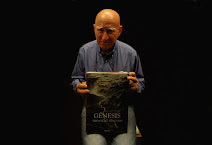
Féjer Zoltán inside the main exhibition hall of Westlicht Photographica in Vienna (Austria) in April 2016, showing his extraordinary book " Hungarian Cameras " , featuring a fairly lavish information on the incredible story of the Hungarian photographic industry after the Second World War, which was able among many other things to create the stunning Duflex photographic camera, first reflex one in the world sporting 24 x 32 mm format, designed by the Hungarian photographer Dulovits Jeno, and whose pioneering working prototypes were manufactured by Gamma Works in Budapest in 1944, two years before the original design of the Nikon I 24 x 32 mm format rangefinder which was completed in September of 1946 (though the camera was launched by Nippon Kogaku in 1948). 

" Hungarian Cameras ", featuring a 21 x 29 cm size, 180 pages, 254 pictures in black and white and 22 in colour, published by both Hogyf Editio Budapest (Hungary) and Lindemanns Verlag Stuttgart (Germany) in 2001 with text in German and English, and fruit of 20 years of very hard work and research by the author who proved that since immediately after the end of the Second World War, in an incredible and praiseworthy way, Hungary was able to develop its own photographic industry with a number of very interesting and high quality cameras and lenses made through sheer ingenuity and knowledge.                                                                  


In addition, he is a historian of photography featuring tremendous insight and experience, having written scores of books on photographic technique hitherto like  " A Magyar Foto Technika Tervezoi Termékei Gyártói " , " Fototechnika : Törtenet, Petzval József, Riszdorfer Ödön, Dulovits Jenö " (1997) with Muszaki Könyvkiadó publisher, " Magyar Fényképezogépek 1856-1966 (Budapest, 1997) published by Soós Kereskedes, " Fotogram " (a scientific profile work published in  2008 by Arcus Gallery, making up a very interesting work including black and white pictures made with LF cameras and black & white chemical emulsions), " Tudós Fotós " (a remarkable work on scientific photography, published in 2010 by the Hungarian Museum of Photography) and many others.  

Between 1985 and 1993 he was the editor of the Képzőművészeti Kiadó, a top-notch Hungarian magazine, focused on high quality black and white photography. 

Fejér Zoltán showing the coveted Balogh Rudolph Award 2023 bestowed to him inside the Hungarian Ministry of Culture and Innovation in an unforgettable ceremony presided by Eszter Vitályos (Hungarian Deputy Minister of Culture and Innovation) and Magdolda Závogyán (Secretary at the Ministry of Culture and Innovation ) on March 14, 2023. 

Since early nineties started the international projection of Zoltán Fejer, consolidating a brilliant career as a photojournalist working for the Városi Fotó Vállalat (Budapest Photography Co. Agency) and becoming a well-known photo art collector and photo artist member of the Photo Artist Association, participating in exhibitions all over Europe, and from around mid nineties he is recognized as a world-class expert both in the field of large cameras, lenses and accessories and in the 35 mm cameras and lenses domain, becoming a phototechnical columnist of Fotóművészet, one of the best photography magazines in the world, and publishing articles on a number of cameras and lenses, also including in-depth researches on the Hungarian Bilux exposure meter, patented in 1938 and of which the Hungarian Optical Works made thousands in 1941. 

Some of his large format pictures of architecture appear in the book Building the State: Architecture, Politics and State Formation in Post-War Central Europe, written by Virág Molnár in 2013 and published in United States and Canada by Routledge. 

Fejér Zoltán posing with his Ballogh Rudolf Award  on March 14, 2023 beside the statues " Girls with Umbrellas ", made by the Hungarian sculptor Imre Varga and placed in Fö Square of Óbuda (District III of Budapest) on March 14, 2023. © Ibolya Szuchy. 

In addition, Zoltan Fejer is a member of the European Photo Historical Society and in 2011 he was bestowed the Hungarian Photographers Association Lifetime Achievement Award.  

On the other hand, Zoltán Fejér has always had a great penchant fort creative photography, which began in 1967. 

And his works have been exhibited in Hungary since 1968, and in international exhibitions since 1970, having received 25 awards until now.  

Fejér Zoltán with his Balogh Rudolf Prize on March 14, 2023 next to the statue of the famous Hungarian writer Gyula Krudy in Fo Ter, Óbuda (Budapest), made in 2013, on the 80th anniversary of his death, by the artist Péter Szanyi. Féjer Zoltán, a man featuring a very comprehensive culture, has always had a great passion and knowledge on the Hungarian history and traditions. © Ibolya Szuchy. 

Between 1972 and 2009 he organized 17 solo exhibitions of his works, and served as a curator of a number of exhibitions on the history of photography. 

From 1969 to 1982 he worked as a photojournalist at FŐFOTÓ, from 1982 to 1984 as the head of the advertising photography studio at Fény-Szöv in Budapest, and from 1984 to 1985 again as a photojournalist. 

Fejér Zoltán standing with his Balogh Rudolf Award on March 14, 2023 beside a famous small building in the area of Óbuda (Budapest). © Ibolya Szuchy.  

He has published his researches and deep studies on the history of photography in more than 400 articles and 11 books, as well as being a member of the Hungarian Art Foundation since 1988, and of the Association of Hungarian Photographers since 1989, where he received the Lifetime Achievement Award in 2011. 

His works can be found in 15 public collections in Hungary, in 14 museums in seven different countries, and in private collections.

Some of his large format pictures of architecture appear in the book " Building the State: Architecture, Politics and State Formation in Post-War Central Europe ", written by Virág Molnár in 2013 and published in United States and Canada by Routledge.

In addition, Zoltan Fejer is a member of the European Photo Historical Society and in 2011 he was bestowed the Hungarian Photographers Association Lifetime Achievement Award.  

On the other hand, Zoltán Fejér has always had a great penchant for creative photography, which began in 1967. 

Balogh Rudolf Medal beside the Magyaroszag Badge that Fejer Zoltán has always taken very proudly with him all over the world, utterly aware of the huge significance of Hungary in the History of Photography and Photo Technique. © Ibolya Szuchy. 

And his works have been exhibited in Hungary since 1968, and in international exhibitions since 1970, having received 25 awards until now. 

From 1969 to 1982 he worked as a photojournalist at FŐFOTÓ, from 1982 to 1984 as the head of the advertising photography studio at Fény-Szöv in Budapest, from 1984 to 1985 again as a photojournalist. 

He is also one of the most important experts in the world on large format cameras and lenses, a scope on which he has imparted a lot of lectures in Hungary and other countries. 

INTERVIEW WITH ZOLTÁN FEJÉR BY PÉTER BAKI, DIRECTOR OF THE HUNGARIAN MUSEUM OF PHOTOGRAPHY 

Péter Baki, Phd., historian of photography, Director of the Hungarian Museum of Photography and the Hungarian House of Photography, Deputy Director of the Rippi-Rónai Institute of Art at MATE University, Associate Professor, curator of more than eighty photographic exhibitions in more than twenty countries all over the world, having published hitherto more than a hundred books, book chapters and studies on photography, in addition to being the editor-in-chief of the online Hungarian photographic magazine Punkt and probably the greatest expert in the world on André Kertész at the moment, made the following interview to Féjer Zoltán a few hours after being bestowed the Balogh Rudolf Award :  

" The Concept of Collecting Has Changed in Its Classic Meaning " , a Conversation with Zoltán Fejér " 

Zoltán György Fejér, a photographer and historian of photographic technique through the ages, started his career as a photographer more than fifty years ago. His twelve books and a raft of articles in this scope are indispensable and essentials regarding the Hungarian photographic cameras and their creators. He was 72 years old some days ago, and today he has been granted the Rudolf Balogh Award, the greatest professional recognition in his long career. 

Péter Baki : You have delved into the history of photographic cameras and photo technique for more than thirty years and your in depth researches on the subject are well-known because of the well grounded investigations you have carried out, including a detailed research in archives. Looking back to your career of more than fifty years as a photographer. In which domain do you deem that you´ve been more successful and have achieved more accomplishments ? 

Zoltán Féjér  : My pictures have been published for more than 55 years and my writings throughout 37. In mid fifties, my family and me lived at Király street of Pest. One of our neighbours was a photographer and the other one a writer. I looked at them with admiration when I was a child. Today I feel his two trades as mine and I´m happy that this is feasible. If I have to choose, I would say that writing about the history of phototechnique, cameras and lenses is the field in which I´ve been more thriving, to such an extent that I feel that the books and articles that I have published have turned into my hallmark. 

Péter Baki : 

Yor name has always been particularly associated to first-class books and writings on Hungarian cameras and the description and assessment of exhibitions and auctions. Why did you focus in these two areas ?

Zoltán Fejér : 

If I had to briefly answer in a laconic way, I would say that I wanted to fill a gap and I found some gaps that I managed to cover with strenuous effort. 

My maternal grandfather took me to the first auction organized by the Gift Shop Company in 1957, when I was six years old. 

When he died in 1974, I felt that I had to somehow keep on his approach as a collector.

At that time, the aforementioned BÁV held auctions of pictures, and the Books Distribution State Company arranged auctions of books.

My grandfather was a BÁV customer, but my economical means were much more modest.

My wife´s uncle helped me to know the ins and outs of the BÁV books auctions. 

In 1982, still sponsored by Ofotért, András Soós set up the first auction of old cameras, and BÁV answered immediately with a similar one.

Soós was the winner of the contest.

And though the auctions proved that there was a lot of money in the market of old technical photographic devices, BÁV went away. 

I impatiently waited for each Soós auction and often criticized the incomplete descriptions of the catalogues. And it was specially strange that there weren´t more detailed reports as to the photographic gadgets protected by the Ministry of technology.

Therefore, although it wasn´t my work at all, I decided to write up the descriptions of some of the lots of Soós Auctions Catalogue. 

With the help of his brother-in-law in Germany, Ferenc Gyozo Horváth´s wife met Werner Götze, a bookseller and publisher based in Stuttgart, who offered to sell the Western Europe photographic literature at a lowered price in Hungary. 

This way, it became apparent that there was already a full-fledged literature on the history of photographic technique, so it was evident that Hungarian writers were bound to catch up with the quality of the specialized books written in foreign languages.

Gyozo Ferenc Horváth offered to publish the history of Hungarian cameras, irrespective of who was the author of a book like that.

It was a bold utterance for the time being, because he perfectly grasped that nobody had any finished book on that subject in his desk drawer. 

Perhaps Dr. József Hefelle would have been the most suitable for it, but he devoted himself to the history of soft focus photography. He had a good relationship with the Editorial of Technical Books, but they had differences in views and broke away. 

Dr Hefelle and Endre Schwanner were in a way mi bosses in Budapest Photo in 1981. 

Though it was my first job related to photography, I left after twelve years and a half and went to work to Light-Web as a department head.

Notwithstanding, during the spring of 1982, Bandi Schwanner invited me to a lecture of the TIT on the history of Leica cameras, and leter on, he helped me very much, for example in 1994, when he invited me to be part of the editorial board of Fotómuvészet magazine. 

Péter Baki : What do you think about the future chances for the development of the history of Hungarian photographic technique ? Is it possible to fulfill a more exhaustive research on this topic ? I ask you this bearing in mind that the Hungarian Museum of Photography published its book on this subject in 2019 and most of the factory workers who were interviewed are already demised. Where are still interesting areas to complete the information that has been gleaned until now ? 

Zoltán Fejér : I investigated in two different departments of the National Archives of Hungary, the Archives of the City of Budapest, the Archives of the Budapest Technology and Economy and the Archives of the Institute and Museum of Military History of the Defense Ministry. 

One month ago, one of the chief archivists of the Budapest City Archives told me that he was writing a book on Hungarian inventors. My volume has got 428 pages, but his seems to have reached the figure of 600. I eagerly wait for his volume ! 

Besides, there is always the possibility that any provate collector has collected data that weren´t available when Im wrote my book. 

However, it is important to thoroughly checked any kind of information coming from internet, because the web can be a source of both good and bad information. That´s why one of my top priorities with my books and articles on phototechnique and so forth, has always been to offer lavish information that doesn´t exist in the web.

And of course, there´s the chance of reaserching abroad. I regret not having been able to go to the George Eastman House in Rochester, where there might be records of Joe Michael. 

It would likewise be good to see the original study on Szabad Szilárd made by the Swedish historian of photography Par Rittsel, who is now 76 years old.  

Péter Baki : 

From the very beginning, you were one of the photographic technique experts of Westlicht Photograhica auctions in Vienna. In your opinion, where is the collecting of these classic analogue cameras, lenses and acessories going to and why the value of vintage Leica stuff has increased so hugely higher than those from other brands? What advice would you give to a young person who wants to start a camera collection ? Will the made investment pay off ? 

Zoltán Fejér : 

On February 9, 1986, I gave a lecture at the Váci Madách Imre Cultural Center on how to get pictures nowadays with old cameras as Leicas. 

I organized some exhibitions on this subject, the first one in September of 1989 at the MTESz headquarters in Vác, and then at the Goethe Institute of Budapest in April 1990. I also gave a lecture in German there on May 8, 1990. 

The series of exhibitions continued in Gödöllo, and subsequently returned to Pest, to the new building of the Goethe Institute, with my co-creators (typographer István Fekete and painter András Orvos), holding there a new exhbition on the subject.

Shortly before, in early 1990, I had met Peter Coeln, the CEO and owner of Leicashop and Westlicht in Vienna (Austria), we made a good friendship and from then on I was chosen member of  the Westlicht Photographica international panel of experts.  

Regarding your question of the very high prices of classic analogue Leica cameras, there is a vast amount of reasons for it : 

First of all, the collection of products manufactured at the Leitz Factory in Wetzlar (Germany) during the XX Century is based on a tradition that can be traced back to many decades in the United States, Western Europe and the Far East.

In these countries, many books were published in the language of each country, and particularly in English and German, containing data on the production and distribution of Leica cameras, lenses and accessories.

Obviously, this had a positive effect on commercial sales, since every buyer could search for a collector´s item in the very abundant existing literature and find not only the number of copies made, but also a lot of information on a myriad of other aspects. 

On the other hand, classic Leica cameras and lenses are very often in good working condition, 

because they were made with top-of-the-line methods for its time, without any programmed obsolescence, are entirely made with noble metals and top-notch glasses featuring great optical properties, and work flawlessly many decades after their constructions, so collectors can also use them to make pictures and get amazing and very nice image quality in their photographs, with a vintage image aesthetics that can´t be emulated by any modern software or computer. 

To get pictures shooting handheld with analogue Leica rangefinder 24 x 36 mm format classic cameras is a relish for any lover of photography, thanks to their smooth operation, very small dimensions, exceedingly light weight and incredibly silent operation of their superb utterly mechanic horizontally travelling focal-plane shutters with rubberized silk curtains. 

That´s why however amazing it may seem in full digital era, Leica classic analogue cameras and lenses are increasingly more expensive, with the added benefit that using modern chemical films in both black and white and colour yield much better results that during the halcyon days of these vintage photographic tools, simultaneously preserving the unique vintage aesthetics of image. 

Coming back to the topic of collectors, the traditional method of doing things had been to check items in printed reference price lists and catalogues which were published and consulted, but from late nineties with the arrival of intenet, things changed because of the global market and now each collector has a wide assortment of possibilities to buy Leica products from shops all over the world, ebay, auctions, etc. 

But the key factor for any good collector is striving upon becoming knowledgeable about the products, because cosmetic and woking condition of the items can significally change from one option to other, so in my opinionevery purchase needs serious attention to detail, wisdom and as much previous information as possible. 

Zoltan Fejer´s professional career as a photographer and photo technique historian has always been full of toil to acquire the deep knowledge he has on the devices that shaped the photographic evolution during XX Century, handcrafted products made with remarkable infatuation and passion for the creation of images, many of which go on working flawlessly in a praiseworthy way. Here we can see the Hungarian maestro with an English Thornton Pickard Imperial Perfecta 24 x 30 cm large format camera with a Petzval Tupe Voigtländer portrait lens. 

Interview made by Péter Baki and originally appeared in Hungarian in Punkt photographic online magazine. Translated into English by José Manuel Serrano Esparza, Member of the Leica Historical Society of America.